Are Beef Hide and Rawhide the Same Thing?
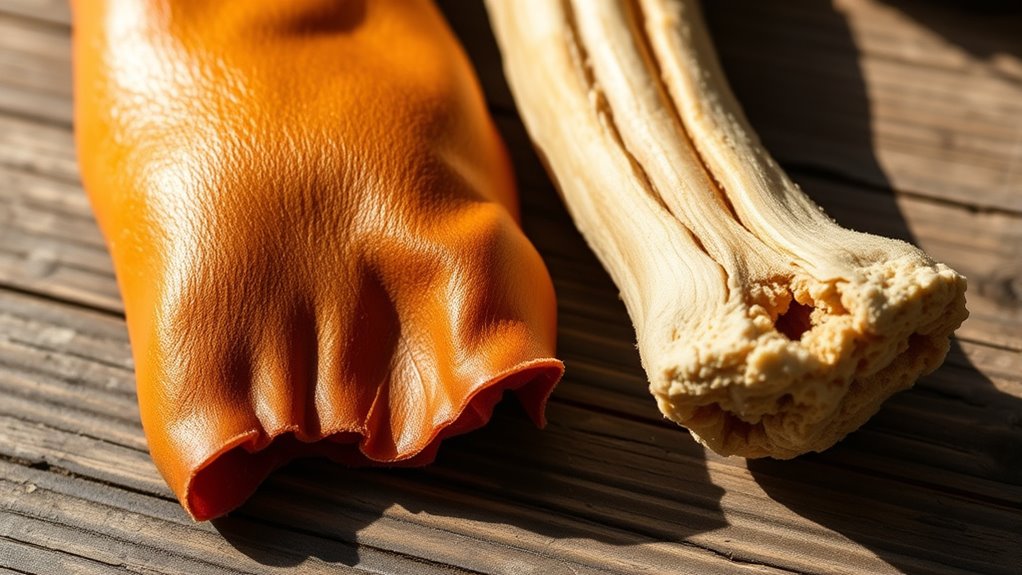
You might think beef hide and rawhide are the same, but they’re different materials with distinct properties. Beef hide is the cow’s outer skin that’s tanned to create flexible, durable leather. In contrast, rawhide comes from the inner skin, which is cleaned and dried without tanning.
This difference in processing makes rawhide harder and less flexible than beef hide. Both beef hide and rawhide are commonly used for pet chews and leather goods. However, they vary significantly in texture and durability.
If you want to understand their unique uses and safety for pets, keep exploring more details. Knowing these differences can help you choose the right product for your needs.
What Is Beef Hide?

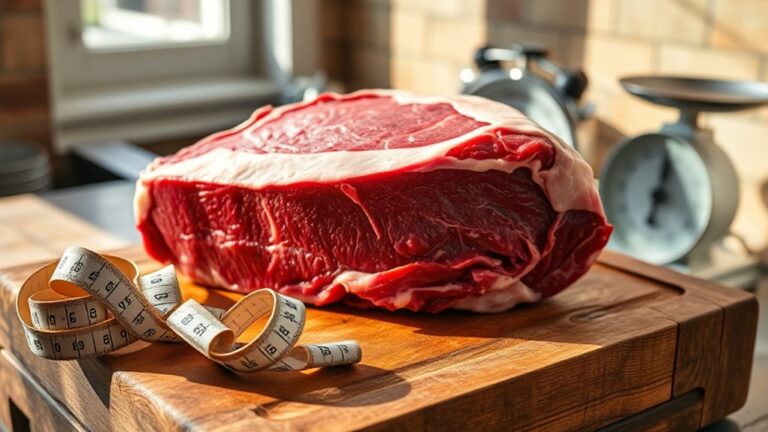
What exactly is beef hide? It’s the outer layer of skin taken from a cow after it’s been slaughtered. You’re looking at a thick, tough material that still contains natural oils and collagen.
You won’t find it fully processed or hardened at this stage. Instead, it’s raw and flexible, which makes it perfect for various uses once treated, like leather manufacturing.
Beef hide is raw and flexible, ideal for crafting quality leather after proper treatment.
When you see beef hide, you’re fundamentally seeing the cow’s natural protective covering, complete with hair follicles and pores.
It’s important to know that beef hide isn’t ready for direct use; it requires tanning or curing to prevent decomposition.
What Is Rawhide?

How does rawhide differ from beef hide? While beef hide is the untreated skin of cattle, rawhide is a product made by removing the hair and flesh, then drying the inner layer.
You’ll find rawhide is denser and less flexible than beef hide.
It’s commonly used for durable chews, drumheads, and crafts. When you handle rawhide, note these key traits:
- Made from the inner layer of cattle skin
- Lacks hair and outer epidermis
- Hardened by drying, not tanning
- More rigid and less pliable than leather
- Often used for dog chews and traditional items
Understanding these differences helps you appreciate rawhide’s unique properties apart from beef hide’s original form.
How Beef Hide and Rawhide Are Processed

Although both beef hide and rawhide come from cattle skin, their processing methods differ considerably to achieve distinct final products.
When you handle beef hide, it undergoes tanning, a chemical process that stabilizes the skin, making it flexible, durable, and resistant to decomposition.
This involves soaking, treating with tanning agents like chromium salts or vegetable tannins, and drying.
On the other hand, rawhide skips tanning entirely. Instead, you clean, dehydrate, and stretch the untreated hide.
This drying process hardens the material, preserving it without adding flexibility.
Because of these methods, beef hide becomes supple leather, while rawhide remains rigid and tough.
Understanding these processes helps you appreciate why these materials serve different purposes despite originating from the same source.
Differences in Texture and Durability
Since beef hide undergoes tanning and rawhide does not, you’ll notice clear differences in their texture and durability. Tanning stabilizes the hide, making beef hide tougher and more flexible, while rawhide remains stiff and less pliable.
Here’s what you can expect when comparing both:
Here’s what you can expect when comparing both: texture, durability, moisture resistance, and overall longevity.
- Beef Hide: Smooth, supple surface; resists cracking; water-resistant; lasts longer under use; maintains shape well.
- Rawhide: Rough, rigid texture; prone to becoming brittle; absorbs moisture; wears down faster; can harden unevenly.
When you handle them, beef hide feels more refined and durable, suitable for long-term use. Rawhide, by contrast, is more rigid and breaks down quicker, making it less durable but sometimes preferred for chews or crafts where stiffness is desired.
Understanding these traits helps you choose the right material for your needs.
Safety Considerations for Pets
When you choose beef hide or rawhide for your pet, you need to contemplate potential safety risks carefully. Both can pose choking hazards if your pet chews off large pieces. You should always supervise your pet while they’re enjoying these treats to prevent accidental swallowing of chunks that might cause blockages.
Rawhide, in particular, may contain chemicals from processing, so opting for natural, untreated options reduces health risks. Keep an eye on your pet’s chewing habits. If they tend to gulp or chew aggressively, these treats mightn’t be suitable.
Also, consider your pet’s size; smaller dogs might struggle with thicker, tougher hides. Regularly inspect the treat for wear, and discard it once it becomes small enough to swallow whole, ensuring your pet’s safety at all times.
Common Uses for Beef Hide and Rawhide
If you want to keep your pet entertained and promote dental health, beef hide and rawhide serve multiple practical purposes. Both are commonly used as chew treats that help reduce plaque and tartar buildup. You’ll find them in various forms tailored to your pet’s needs.
Beyond just treats, they also serve as durable materials for pet accessories. Here are some common uses:
- Chew toys that satisfy natural chewing instincts
- Training rewards to reinforce good behavior
- Dental chews to support oral hygiene
- Rawhide strips or rolls for long-lasting engagement
- Material for making collars, leashes, and harnesses
Nutritional and Health Benefits
Although beef hide and rawhide might seem like simple chew treats, they offer significant nutritional and health benefits for your pet. Both provide a natural source of protein and essential nutrients that support dental health and mental stimulation.
Chewing on these treats helps reduce plaque buildup and strengthens your pet’s jaw muscles. However, quality and processing methods affect their nutritional value.
| Benefit | Beef Hide | Rawhide |
|---|---|---|
| Protein Content | High, supports muscle maintenance | Moderate, varies by processing |
| Dental Health | Effective at plaque removal | Good, but may soften with time |
| Digestibility | More digestible if cooked | Less digestible, can cause blockages |
| Mental Stimulation | Encourages natural chewing behavior | Also promotes chewing but less durable |
| Nutrient Density | Rich in collagen and minerals | Lower, depends on additives used |
Choose wisely to maximize these benefits for your pet’s well-being.
Environmental Impact of Production
Since beef hide and rawhide come from cattle byproducts, their production carries environmental consequences you should consider. Both materials rely on cattle farming, which impacts land use, water consumption, and greenhouse gas emissions.
Processing these hides also involves chemicals that can affect ecosystems if not managed properly. When you evaluate their environmental footprint, keep these factors in mind:
- Water usage in cattle raising and hide processing
- Energy consumption during tanning and drying
- Chemical treatments releasing pollutants
- Waste management practices for byproducts
- Transportation emissions from production to market
How to Choose Between Beef Hide and Rawhide
Understanding the environmental impact of beef hide and rawhide production helps you weigh their benefits against ecological concerns. When choosing between them, consider your priorities.
Beef hide is thicker and more durable, making it ideal for long-lasting leather goods.
Rawhide, being untreated, is stiffer and often used in crafting or dog chews but may wear out faster. If sustainability is important, look for hides sourced from responsible farms with minimal chemical use.
Also, factor in your intended use. Opt for beef hide for strength and longevity, or rawhide for specific applications like traditional crafts.
Ultimately, your choice depends on balancing durability, environmental impact, and purpose to ensure you select the material that best fits your needs without compromising ecological responsibility.
Frequently Asked Questions
Can Beef Hide and Rawhide Be Used Interchangeably in Crafts?
You can’t use beef hide and rawhide interchangeably in crafts because they have different textures and treatments.
Rawhide is untreated and stiffer, while beef hide is tanned and more flexible, affecting how each works in your projects.
Are There Cultural Differences in the Use of Beef Hide Versus Rawhide?
You’ll find cultural differences paint beef hide and rawhide in unique hues; some communities cherish rawhide for tradition, while others favor beef hide’s durability. Each tells stories through texture, use, and symbolism in their crafts.
How Do Storage Conditions Affect the Shelf Life of Beef Hide and Rawhide?
You’ll extend beef hide and rawhide’s shelf life by storing them in a cool, dry place with good ventilation. Avoid moisture and heat, which cause mold or brittleness, so your hides stay fresh and usable longer.
Is There a Difference in Allergenic Potential Between Beef Hide and Rawhide?
Yes, you might react differently. Beef hide is less processed, while rawhide undergoes chemical treatments.
You’re more likely to face allergies from rawhide, but it varies; always watch for signs and choose carefully.
Can Rawhide Be Recycled or Repurposed After Use?
You can’t easily recycle rawhide, but you can repurpose it creatively. Try using leftover pieces for crafts, dog chew toys, or garden ties.
Just avoid composting since it breaks down slowly and may attract pests.
Conclusion
Now that you know the differences between beef hide and rawhide, which one fits your needs better? Both have unique textures, uses, and safety considerations, especially for your pets.
Whether you’re looking for durability or nutritional benefits, understanding how they’re processed and their environmental impact can help you make a smarter choice.
So, next time you shop, you’ll feel confident picking the option that’s best for you and your furry friend. Choosing between beef hide and rawhide means considering factors like safety, texture, and how each is made.