10 Easy Steps to Cook Carne Asada on a Pan
You might not realize that the key to perfect carne asada starts long before the pan heats up. Cooking carne asada on a pan requires choosing the right cut of beef and marinating it just right to bring out deep, complex flavors.
If you skip these crucial steps, your steak could end up tough or bland. But with a few simple techniques, you can transform ordinary beef into something truly memorable.
Here’s how to get it right every time when you cook carne asada on a pan.
Choose the Right Cut of Meat

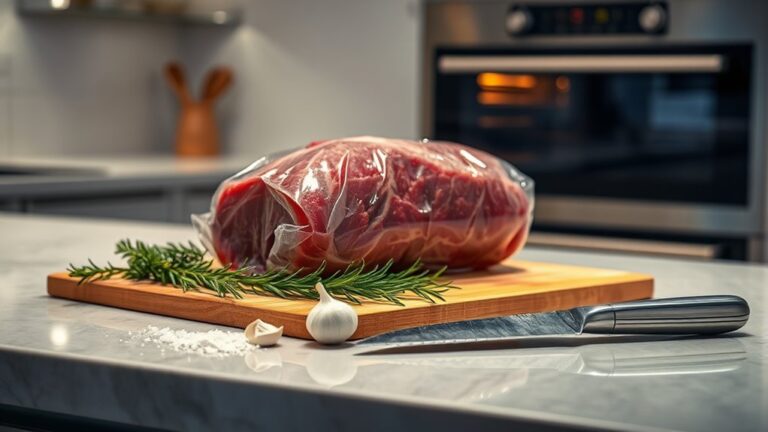
When choosing the right cut of meat for carne asada, focus on options like flank steak, skirt steak, or flap meat, as these cuts offer the perfect balance of thinness and flavor. You’ll want to pick cuts with a visible grain and good marbling, which helps keep the meat juicy and flavorful during high-heat cooking.
Flap meat tends to stand out for its tenderness and rich taste, plus it’s often more budget-friendly than flank or skirt steak.
Flap meat shines with its tender texture, rich flavor, and wallet-friendly price compared to other cuts.
Keep an eye out for fresh, bright-colored beef with a firm texture and minimal discoloration to make certain of quality.
Since availability varies by region, choose the best cut you can find within your budget that suits quick, high-heat cooking on a pan.
Prepare the Carne Asada Marinade

Because a well-crafted marinade is key to tender, flavorful carne asada, you’ll want to combine citrus juices like lime and orange with soy sauce, garlic, jalapeños, cilantro, cumin, and black pepper. This blend not only tenderizes but infuses the steak with vibrant flavors. Use a large bowl or ziplock bag to coat the steak evenly before cooking in your skillet.
| Ingredient | Amount | Purpose |
|---|---|---|
| Lime Juice | 1/4 cup | Tenderize, brighten |
| Orange Juice | 1/4 cup | Sweetness, moisture |
| Soy Sauce | 1/3 cup | Umami, saltiness |
| Cilantro | 1/4 cup chopped | Fresh herb flavor |
| Jalapeños | 1 sliced | Heat, spice |
This marinade is your carne asada’s flavor foundation.
Marinate the Steak Properly

Although marinating might seem simple, doing it properly makes all the difference in flavor and tenderness. To marinate the steak, combine your marinade ingredients: citrus juices like lime and orange, soy sauce, garlic, jalapeños, and cilantro to create a flavorful marinade.
Place the steak in a large ziplock bag or container, then pour the marinade over it, making sure every surface is evenly coated. Seal the bag and refrigerate the steak for at least 30 minutes, but for the best results, marinate the steak up to 24 hours.
Remember to flip the steak halfway through the process so the flavors soak in evenly.
Before cooking, pat the steak dry with paper towels to ensure a perfect sear without excess moisture steaming the meat.
Preheat Your Skillet
To get the perfect sear on your carne asada, preheat your cast iron skillet or heavy-bottom pan over medium-high heat for about 3 to 5 minutes until it’s smoking hot. This guarantees the pan is evenly heated and ready to give your steak that beautiful crust.
Check if the skillet is hot enough by sprinkling a few drops of water—they should sizzle immediately.
Use a high smoke point oil like vegetable or canola to lightly coat the pan just before adding the meat.
Aim for an internal temperature around 400°F (204°C) for ideal searing.
Remember, don’t add the steak until the pan is visibly hot to prevent sticking.
- Preheat over medium-high heat
- Use a cast iron skillet
- Wait 3-5 minutes
- Test for sizzle with water drops
- Lightly coat with high smoke point oil
Pat the Steak Dry Before Cooking
Before you place your carne asada in the hot skillet, make sure to pat the steak dry with paper towels. Patting the meat dry removes excess moisture from the surface, which is vital for achieving proper searing and browning.
Pat your carne asada dry before cooking to ensure perfect searing and a flavorful crust.
If the steak is wet, it will steam instead of sear, preventing the formation of that delicious crust you want. Gently blot both sides until the steak feels dry to the touch.
This step not only helps develop a flavorful crust but also reduces splattering and smoke when cooking.
Ensuring the steak is dry allows even heat contact, promoting a tender, caramelized exterior that’s essential for perfect carne asada. Don’t skip this step—it makes all the difference.
Sear the Steak on One Side
Heat a heavy-bottomed skillet, like cast iron, over medium-high until it’s very hot. Place the marinated steak in the skillet carefully to sear the meat on one side. Resist the urge to move it so the surface can develop a rich, caramelized crust.
Cook undisturbed for about 3 to 4 minutes, letting the high heat work its magic.
To guarantee the perfect sear, remember:
- Use a clean, dry steak to avoid steaming
- Avoid overcrowding the skillet for even heat
- Let the steak sit flat against the skillet surface
- Cook undisturbed to build a golden-brown crust
- Check the edge with tongs for a crispy, caramelized finish
This process locks in flavor and texture, giving your carne asada that irresistible sear.
Flip and Cook the Other Side
Once the first side has developed a deep, caramelized crust, carefully flip the steak using tongs to cook the other side evenly. Don’t flip the carne asada repeatedly; just one flip guarantees an even sear and perfect crust on both sides.
Use tongs to gently lift and turn the steak, preserving its juices and texture.
Cook the second side for another 4-5 minutes, allowing the internal temperature to reach your preferred doneness.
After cooking, remove the steak from the pan and let it rest for 5-10 minutes.
This rest period lets the juices redistribute throughout the meat, resulting in a juicier, more flavorful carne asada.
Following these steps guarantees a beautifully seared and perfectly cooked steak every time.
Check the Internal Temperature
Although your carne asada may look perfectly cooked on the outside, you should always check the internal temperature with an instant-read thermometer to make certain it reaches your preferred doneness.
For medium-rare, aim for 135°F (57°C); for medium doneness, target 145°F (63°C).
Insert the thermometer into the thickest part of the steak, avoiding contact with the pan to ensure an accurate reading.
Once the desired internal temperature is reached, remove the meat promptly to avoid overcooking.
Remember, the internal temperature will slightly rise during resting time.
- Use an instant-read thermometer for precision
- Check the thickest part of the meat
- Avoid touching the pan with the thermometer
- Remove steak at target temperature
- Account for temperature rise during resting time
Rest the Meat Before Slicing
Give your carne asada at least 10 minutes to rest before slicing so the juices can redistribute and keep the meat moist. During this vital resting period, cover the meat loosely with foil to retain heat without trapping steam, which could affect texture.
Resting allows the juices to settle back into the fibers, preventing them from spilling out when you cut the meat. This step is essential to maintaining the carne asada’s tenderness and flavor. Skipping the rest can cause dry, tough slices.
Once rested, you’ll be ready to slice against the grain, which further enhances tenderness and makes the meat easier to chew. So, don’t rush this step. Proper resting ensures your carne asada is juicy and delicious every time.
Slice Against the Grain for Serving
After letting the carne asada rest, you’re ready to slice it against the grain. Rest the meat for at least 10 minutes so the juices redistribute, keeping it juicy and flavorful.
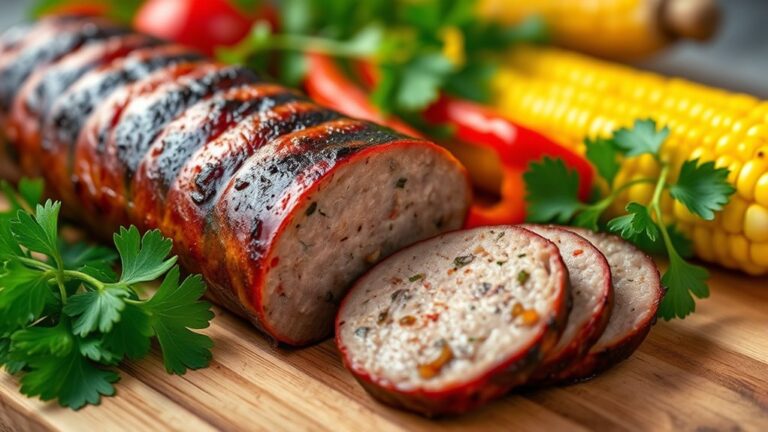
To slice against the grain means cutting perpendicular to the visible muscle fibers. This breaks up the grain, shortening muscle fibers and enhancing tenderness. Use a sharp knife to make clean, precise cuts, ensuring each slice looks great and feels tender in your mouth.
Here’s what to keep in mind:
- Identify the direction of the muscle fibers on the carne asada.
- Position your knife perpendicular to those fibers.
- Cut thin, even slices for easy serving.
- Use a sharp knife to avoid tearing the meat.
- Enjoy the enhanced tenderness from cutting muscle fibers properly.
Frequently Asked Questions
How Do You Cook Carne Asada in a Skillet?
You heat a heavy skillet until hot, then sear the carne asada for 3-4 minutes per side without moving it.
After cooking, let it rest before slicing against the grain for tender, flavorful results.
What Is the Best Method for Cooking Carne Asada?
Imagine searing juicy carne asada on a hot cast iron skillet. You’ll want to pat it dry, sear each side 4-8 minutes, then rest before slicing against the grain for tender, flavorful results every time.
How Long Does Carne Asada Take on the Stove?
Carne asada usually takes about 4 to 8 minutes per side on the stove. You’ll want to cook it 8 to 10 minutes total for medium-rare, then let it rest 5 minutes to keep it juicy.
How to Cook Steak in a Frying Pan?
You’ll tame the fiery beast by heating your pan until it roars, then sear your steak like a canvas.
Cook each side 4-6 minutes, rest, and slice against the grain for tender, juicy perfection.
Conclusion
Now that you know how to make delicious carne asada on a pan, you’re ready to impress at your next meal. Did you know that marinating meat can reduce harmful compounds by up to 90% during cooking? That means your flavorful, juicy steak isn’t just tasty—it’s a healthier choice too.
Just follow these simple steps, and you’ll enjoy tender, perfectly cooked carne asada every time. Get cooking and savor every bite! With these easy steps, your carne asada on a pan will be a crowd-pleaser that combines great taste with health benefits.