How Many Calories Are in 1/4 Pound Ground Beef
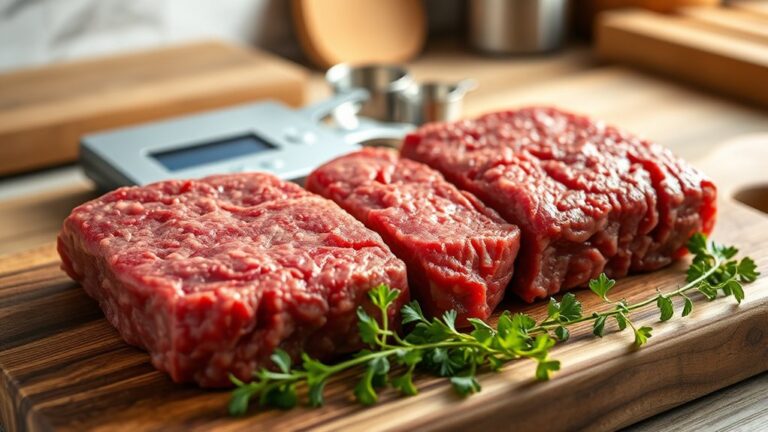
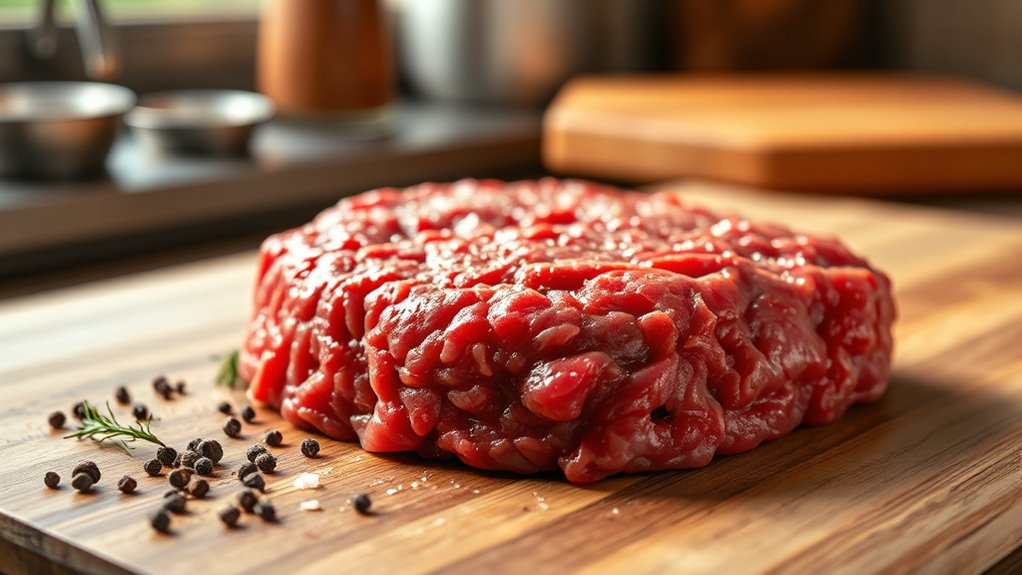
If you’re eating 1/4 pound ground beef, calories depend largely on its fat content. Lean ground beef (90% lean) contains about 170–200 calories, providing a healthier option for those watching their intake. In contrast, regular ground beef with higher fat levels can have up to 320 calories per quarter pound.
Cooking methods also impact the calorie count. Grilling can help reduce fat content as some fat drips away, while pan-frying often retains more calories due to fat absorption. Understanding these factors helps you control calorie intake effectively.
Keep reading to discover tips on how to choose and cook ground beef to meet your dietary goals and preferences. Making informed choices allows you to enjoy your meals while staying on track.
Understanding Ground Beef Fat Content
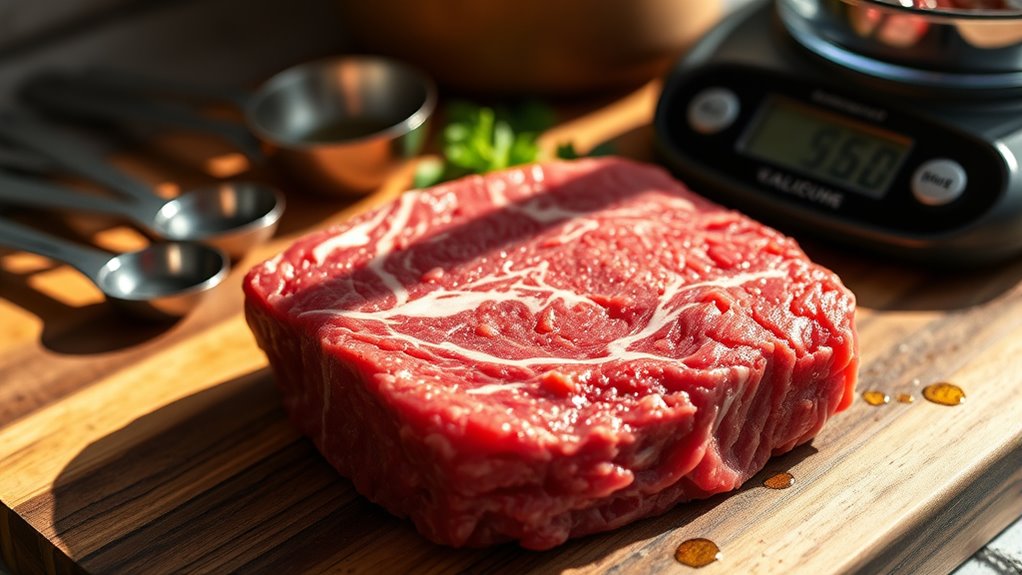
Although ground beef comes in various fat percentages, understanding its fat content is essential because it directly affects both the calorie count and nutritional value.
Understanding ground beef’s fat content is key to managing calories and nutrition effectively.
When you pick ground beef, you’ll notice labels like 70% lean or 90% lean.
These numbers tell you how much of the meat is lean muscle versus fat.
The higher the fat percentage, the richer the taste but also the more calories and saturated fat you consume.
Conversely, leaner options have fewer calories and less fat but might be drier when cooked.
Knowing the fat content helps you make better choices based on your dietary needs and flavor preferences.
Calorie Breakdown by Fat Percentage
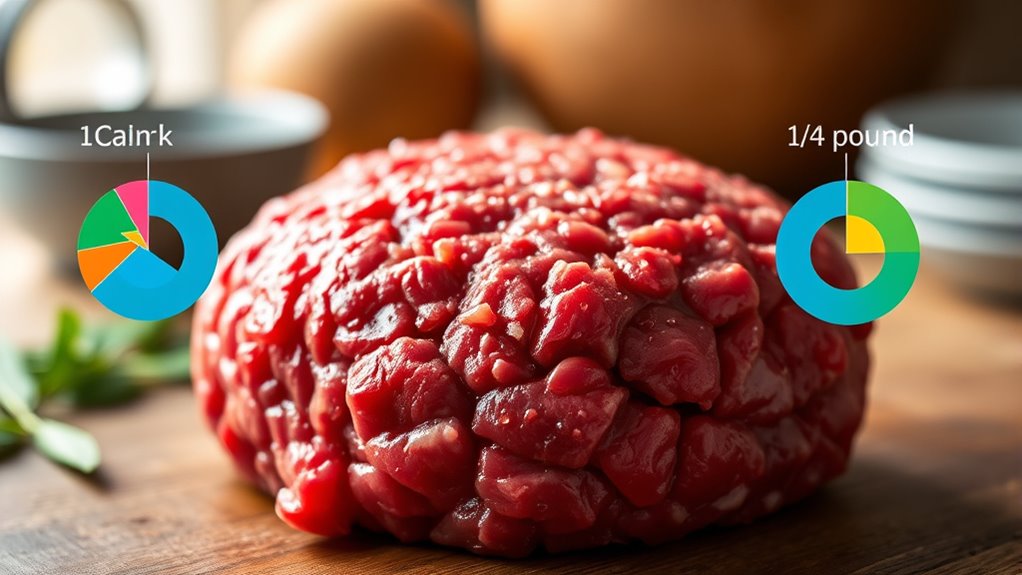
When you choose ground beef, the fat percentage directly determines the calorie content you’ll consume. Higher fat means more calories because fat packs 9 calories per gram, compared to protein’s 4 calories per gram.
Here’s a quick look at how calories change with fat content in a 1/4 pound (4 oz) serving:
| Fat Percentage | Calories | Calories from Fat |
|---|---|---|
| 10% | 200 | 90 |
| 15% | 270 | 135 |
| 20% | 320 | 180 |
As you can see, a higher fat percentage adds considerably more calories from fat. So, if you want to manage calorie intake, keep an eye on the fat percentage when picking your ground beef.
Calories in 1/4 Pound of Lean Ground Beef
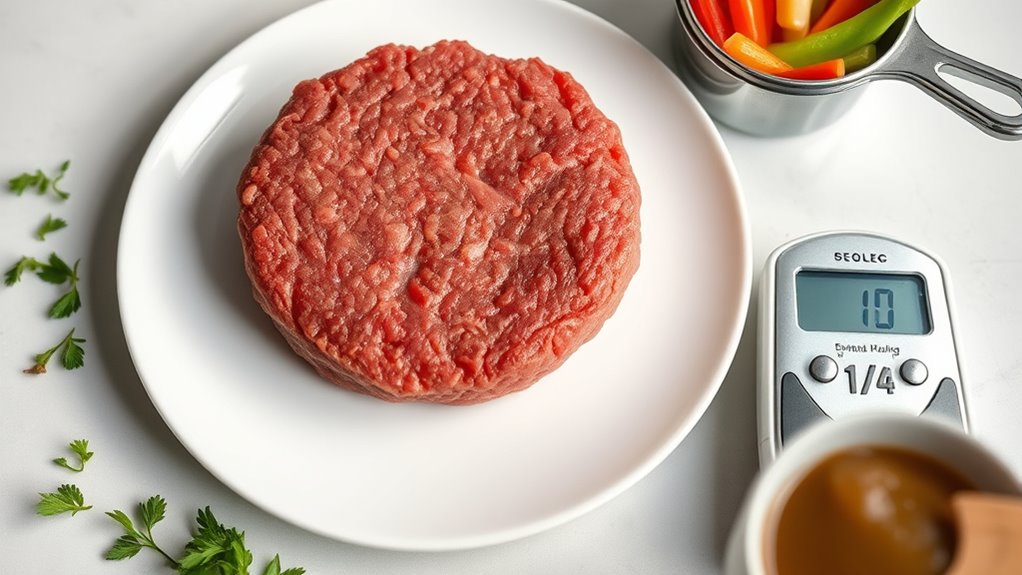
Curious about how many calories you’ll get from lean ground beef? A 1/4 pound (4 ounces) of lean ground beef, typically labeled as 90% lean or higher, contains roughly 170 to 200 calories.
The reduced fat content means fewer calories compared to regular ground beef, making it a smarter choice if you’re watching your calorie intake.
Lean ground beef still provides a good amount of protein, around 22 to 24 grams per 1/4 pound, supporting muscle maintenance and overall nutrition.
Keep in mind that cooking methods can slightly affect the final calorie count as some fat drains away.
Calories in 1/4 Pound of Regular Ground Beef
How many calories are you consuming with regular ground beef? A 1/4 pound (4 oz) serving of regular ground beef typically contains around 290 calories. This higher calorie count comes from increased fat content compared to lean varieties.
Understanding these numbers helps you make better meal choices.
| Portion Size | Calories | Fat Content (g) |
|---|---|---|
| 1/4 pound | 290 | 23 |
| 1/2 pound | 580 | 46 |
| 3/4 pound | 870 | 69 |
| 1 pound | 1160 | 92 |
Keep this in mind when planning your meals, especially if you’re tracking calorie intake or managing fat consumption.
How Cooking Methods Affect Calorie Count
Although the raw calorie content of ground beef is important, the way you cook it can considerably change the final calorie count. When you grill or broil ground beef, fat drips away, reducing the calories you consume.
Cooking method impacts ground beef calories—grilling or broiling lets fat drip away, lowering your intake.
Pan-frying, on the other hand, often keeps the fat in the meat unless you drain it, which means more calories stay on your plate.
Boiling or simmering ground beef can also cause fat to separate, allowing you to skim it off and lower the calorie content.
Keep in mind that adding oils, butter, or sauces during cooking increases calories, so be mindful of what you include.
Comparing Ground Beef to Other Protein Sources
When choosing a protein source, you’ll find that ground beef offers a different nutritional profile compared to options like chicken, fish, or plant-based proteins.
Ground beef typically contains more calories and fat, which can affect your overall intake.
In contrast, lean chicken breast and fish usually have fewer calories and less saturated fat.
Plant-based proteins, like beans or tofu, provide fiber and tend to be lower in calories but may offer different amino acid profiles.
Here’s a quick comparison:
- Ground beef (1/4 pound): higher calories and fat content
- Chicken breast: leaner with fewer calories
- Fish (e.g., salmon): rich in omega-3s, moderate calories
- Plant-based proteins: lower calories, added fiber
Knowing these differences helps you pick what fits your diet best.
Nutritional Benefits Beyond Calories
Besides just calories, ground beef provides essential nutrients that support your overall health. When you include ground beef in your meals, you get a rich source of high-quality protein, which is critical for muscle repair and growth.
It also contains important vitamins like B12, which helps keep your nerve and blood cells healthy. Plus, you’ll find iron in ground beef, aiding your body in transporting oxygen efficiently.
Zinc is another nutrient present, supporting your immune system and wound healing. Additionally, ground beef offers creatine, which can boost your energy during short bursts of intense activity.
Tips for Reducing Calories in Ground Beef Dishes
Ground beef offers many nutrients, but its calorie content can add up quickly. To enjoy your favorite dishes without overdoing it on calories, try these simple tips.
First, choose lean or extra-lean ground beef to cut down on fat and calories.
Next, drain excess fat after cooking to remove added calories.
You can also mix ground beef with vegetables or beans to stretch the meat and boost fiber.
Finally, use herbs and spices for flavor instead of calorie-dense sauces or cheese toppings.
These small changes make your meals lighter without sacrificing taste.
- Opt for lean or extra-lean ground beef
- Drain fat after cooking
- Mix with vegetables or beans
- Season with herbs and spices, not heavy sauces
Portion Control and Calorie Management
Although choosing lean beef helps, controlling your portion size plays a crucial role in managing calories. When you stick to a 1/4 pound serving of ground beef, you can better track your calorie intake and avoid overeating.
Using a kitchen scale or measuring tools ensures you don’t accidentally consume more than intended. Pairing your beef with plenty of vegetables and whole grains can help you feel full without adding excess calories.
Remember, even small increases in portion size can add significant calories, so stay mindful. By mastering portion control, you maintain a balanced diet and support your overall health goals without feeling deprived.
This simple strategy makes calorie management straightforward and sustainable in your daily meals.
Ground Beef Calories and Weight Loss Goals
When you’re aiming to lose weight, understanding the calorie content in your food is essential, and that includes your choice of ground beef. A 1/4 pound serving can vary considerably in calories depending on its fat content. Choosing leaner ground beef helps you manage your calorie intake without sacrificing protein.
To align ground beef consumption with your weight loss goals, consider these tips:
- Opt for 90% lean or higher to cut calories and fat.
- Measure portions accurately to avoid overeating.
- Balance your meal with vegetables and whole grains.
- Track your daily calorie intake to stay within your target.
Frequently Asked Questions
How Is Ground Beef Produced and Processed?
You get ground beef by grinding trimmed beef cuts, usually from chuck or round. It’s processed by mixing fat and lean meat, then packaging it fresh or frozen, ensuring it meets safety standards before reaching you.
What Are the Best Ways to Store Ground Beef Safely?
You absolutely can’t mess up storing ground beef! Keep it tightly wrapped, use airtight containers, and refrigerate below 40°F.
For longer storage, freeze it. Ground beef stays safe and tasty for months when you do this right.
Can Ground Beef Be Part of a Keto Diet?
Yes, ground beef fits perfectly into a keto diet since it’s low in carbs and high in fat and protein. You can enjoy it in various keto-friendly recipes to stay in ketosis while satisfying your hunger.
What Are Common Allergens in Ground Beef Products?
Ground beef itself rarely causes allergies, but you should watch for additives like spices, fillers, or soy in processed products.
Always check labels carefully, especially if you have allergies to common ingredients like soy or wheat.
How Does Ground Beef Quality Vary by Brand?
You’ll find ground beef quality varies by brand due to factors like fat content, sourcing, and processing standards. Some brands prioritize grass-fed or organic beef, while others focus on affordability, affecting taste, texture, and nutrition.
Conclusion
Think of your 1/4 pound of ground beef as a loyal companion on your health journey—it can fuel you well or weigh you down, depending on the cut and how you prepare it. Just like choosing the right path in a forest, selecting leaner beef and mindful cooking methods helps you navigate calories wisely.
By managing portions and trimming fat, you keep your meal—and your goals—balanced, ensuring your journey stays on track without losing flavor or satisfaction.
In conclusion, understanding how many calories are in 1/4 pound ground beef allows you to make informed choices that support your health and dietary goals. Whether you opt for lean ground beef or a higher fat content, being mindful of calories in 1/4 pound ground beef is key to maintaining a balanced diet.