7 Factors That Affect How Much Beef Tenderloin Costs Per Pound
You’ll pay more for beef tenderloin based on its quality, with higher-grade cuts having better marbling and flavor. Where the beef comes from matters too—like U.S. grain-fed versus New Zealand grass-fed beef. Butchering style and aging add to cost, as do supply-demand shifts during holidays.
Certifications like organic or grass-fed and premium packaging also boost price. Ultimately, prices can vary with season and region. Keep going to uncover the full story behind these factors.
Quality and Grade of the Meat

Although many factors influence beef tenderloin prices, the quality and grade of the meat play a crucial role. When you choose a higher grade like USDA Prime, you’re opting for beef with superior marbling, tenderness, and flavor, which naturally costs more.
Select grades tend to have less marbling, making them less tender and flavorful, so you’ll pay less. You’ll also notice that grass-fed beef often commands a different price due to its distinct texture and taste, but that relates more to origin, which we’ll cover later.
When buying, look for certifications and grading stamps. They tell you exactly what quality you’re getting.
Source and Origin of the Beef

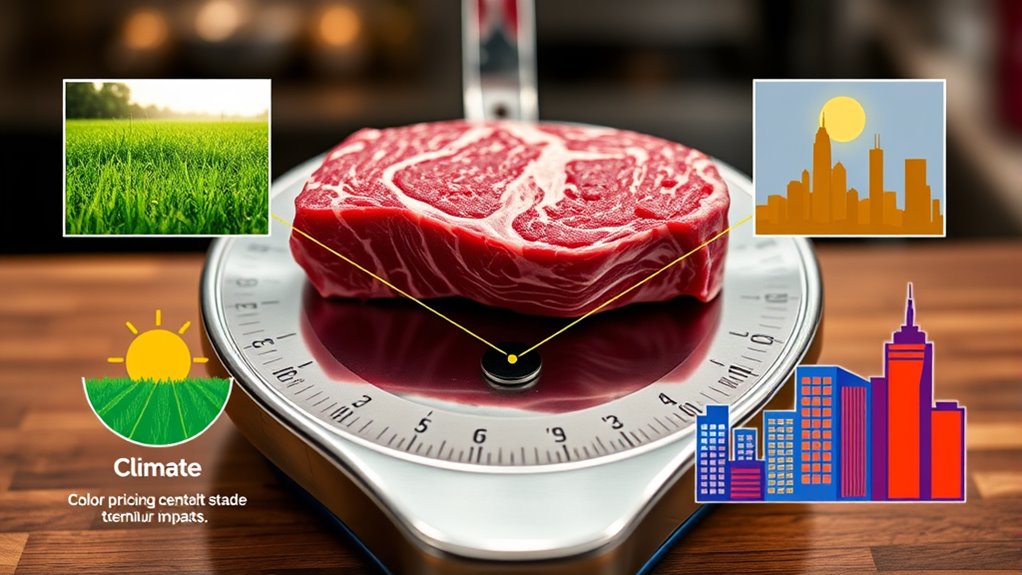
Because where the beef comes from affects its characteristics, you’ll find that the source and origin play a significant role in the price of beef tenderloin. Beef from certain regions is prized for its flavor and texture, influenced by local breeds, climate, and feed.
For example, grass-fed beef from New Zealand often costs less than grain-finished beef from the U.S. Wagyu beef from Japan fetches a much higher price due to its intense marbling and rarity. Understanding these differences helps you make informed choices when buying tenderloin.
| Origin | Typical Price Range ($/lb) | Notable Characteristics |
|---|---|---|
| USA | 20 – 35 | Grain-finished, rich flavor |
| New Zealand | 15 – 25 | Grass-fed, leaner, earthy taste |
| Japan (Wagyu) | 75 – 150 | Highly marbled, buttery texture |
| Australia | 18 – 30 | Grass-fed, robust flavor |
| Argentina | 17 – 28 | Grass-fed, tender and flavorful |
Butchering and Preparation Methods

The origin of beef sets the stage, but how it’s butchered and prepared can greatly impact the final price of tenderloin. When you consider the labor and skill involved, you’ll see why prices vary.
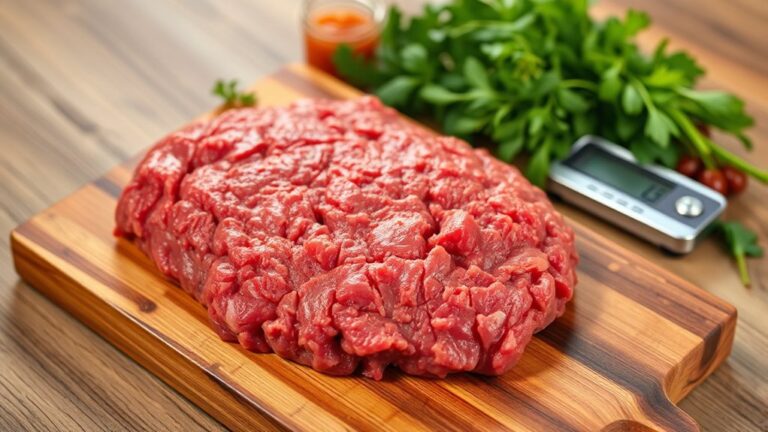
For example, the trimming process removes excess fat and silver skin, which requires precision to avoid wasting meat.
Additionally, some butchers offer custom cuts or portion sizes that can increase costs. The level of aging, wet or dry, also plays a role, influencing tenderness and flavor but adding time and handling expenses.
Here’s what affects the cost:
- Skilled trimming and precise cutting take time and expertise.
- Custom preparation requests may raise the price.
- Aging techniques enhance quality but add storage costs.
Understanding these factors helps you appreciate why prices differ.
Supply and Demand Dynamics
When you’re shopping for beef tenderloin, supply and demand play a huge role in the price you pay. If demand spikes, say during holidays or special occasions, prices often rise because more people want this premium cut.
On the supply side, factors like weather, feed costs, and cattle availability can limit how much tenderloin reaches the market. When supply tightens but demand stays steady or grows, prices naturally climb.
Conversely, if there’s an oversupply or demand drops, you might find better deals. Understanding these dynamics helps you anticipate price changes and decide when to buy.
Organic and Grass-Fed Certifications
How can certifications like organic and grass-fed impact the price of beef tenderloin? When you choose certified organic or grass-fed beef, you’re paying for more than just the meat. You’re investing in specific farming practices.
These certifications guarantee that the cattle were raised without synthetic pesticides, hormones, or antibiotics and fed natural diets, often on pasture. This means higher production costs, which reflect in the price.
Consider these points:
- Organic and grass-fed labels require stricter regulations and inspections.
- Raising cattle on pasture takes more time and space compared to conventional feedlots.
- The demand for these healthier, ethically raised options continues to grow.
Packaging and Presentation
Certifications like organic and grass-fed set expectations for quality, and packaging plays a big role in meeting them. When you pick up a beef tenderloin, the packaging not only protects freshness but also signals premium quality.
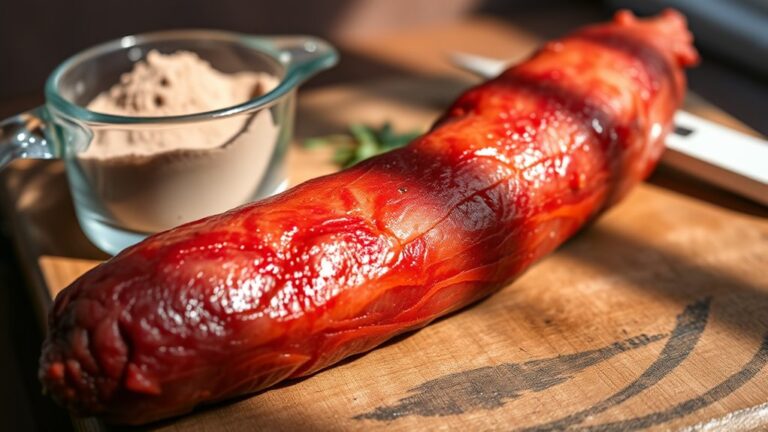
Vacuum-sealed packs preserve flavor and extend shelf life, letting you enjoy tenderloin at its best. If you see butcher paper or custom wrapping, it often indicates care and higher handling standards, which can raise the price.
Vacuum sealing locks in flavor and freshness, while custom wrapping reflects premium care and quality.
Clear labeling with detailed information about the cut, origin, and certifications adds transparency, making you more confident in your purchase.
Presentation matters, too—at specialty stores, beautifully trimmed and evenly portioned tenderloin justifies a higher cost because it saves you prep time and guarantees consistent cooking results.
Seasonal and Regional Price Variations
Although beef tenderloin maintains its reputation as a premium cut year-round, you’ll notice its price fluctuates depending on the season and your location.
Seasonal demand spikes during holidays like Christmas and Valentine’s Day often drive prices higher.
Conversely, prices may dip in slower months when demand wanes.
Regional differences also play a big role: areas with more cattle farms generally offer better prices due to lower transportation costs, while urban centers might charge a premium.
Consider these factors:
- Holiday seasons increase demand, raising prices.
- Rural regions with local farms often have lower costs.
- Urban areas usually face higher prices due to distribution expenses.
Understanding these variations helps you time your purchase and choose the best place to buy beef tenderloin.
Frequently Asked Questions
How Should Beef Tenderloin Be Cooked for Best Flavor?
You should sear beef tenderloin in a hot pan, then roast it in the oven at 425°F until it reaches your desired doneness.
Let it rest before slicing to lock in juices and enhance flavor.
What Are Common Recipes Using Beef Tenderloin?
Beef tenderloin’s like a blank canvas. You can sear it for filet mignon, roast it whole for beef Wellington, or slice it thin for stir-fry. You’ll find countless recipes that highlight its tender, buttery flavor.
How Long Can Beef Tenderloin Be Stored in the Freezer?
You can store beef tenderloin in the freezer for up to 6 to 12 months. Make sure to wrap it tightly to prevent freezer burn and maintain its best quality during that time.
What Cuts Are Commonly Mistaken for Beef Tenderloin?
You often confuse filet mignon or strip steak with beef tenderloin since they’re all tender cuts. You might also mix up sirloin or ribeye, but they don’t match tenderloin’s buttery texture or tenderness.
How Does Marinating Affect Beef Tenderloin Texture?
Marinating beef tenderloin tenderizes it by breaking down muscle fibers, enhancing juiciness and flavor.
You’ll notice a softer texture, especially if you use acidic ingredients like vinegar or citrus in your marinade.
Conclusion
When you’re buying beef tenderloin, remember that quality matters—a USDA Prime cut can cost up to 50% more than Choice grade. This price jump reflects tenderness and flavor you’ll notice in every bite.
Knowing how factors like origin, preparation, and certifications affect cost helps you make smarter choices.
Next time you shop, keep these points in mind to get the best value without compromising on taste or quality. Understanding the factors that affect how much beef tenderloin costs per pound ensures you select the perfect cut for your needs.