How to Cook Boneless Beef Ribs on the Stove in 10 Easy Steps
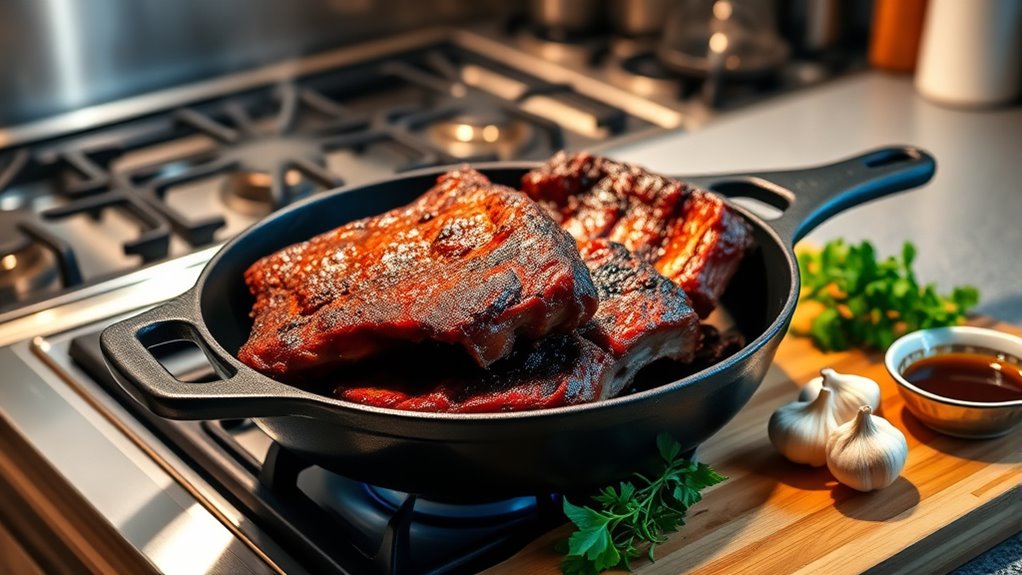
To cook boneless beef ribs on the stove, start by seasoning them with salt, pepper, and garlic powder. These simple seasonings bring out the rich flavor of the beef ribs perfectly. Heating a skillet with oil over medium-high heat is the next step.
Sear the ribs on all sides until golden brown, which locks in the juices and adds a delicious crust. Then, add broth or your favorite liquid, making sure it covers about two-thirds of the ribs. Cover the pan and let it simmer on low for 1.5–2 hours until the ribs are tender and flavorful.
Once cooked, slice the ribs against the grain to keep them tender. Adjust the seasoning if needed, and serve immediately. Keep exploring to master every step perfectly and enjoy delicious stove-cooked boneless beef ribs every time.
Gather Your Ingredients and Tools

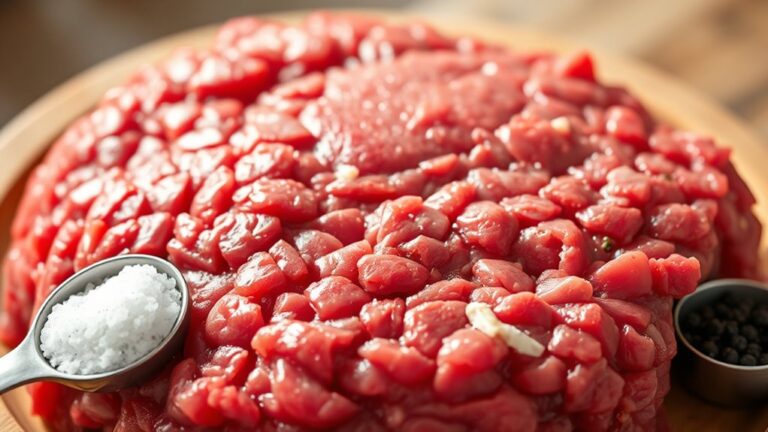
Before you begin cooking, make sure you have all the ingredients and tools ready. You’ll need boneless beef ribs, obviously, along with salt, pepper, garlic powder, and your favorite seasoning blend or marinade.
Grab some cooking oil. Vegetable or olive oil works well.
For tools, you’ll want a heavy skillet or cast-iron pan that can handle high heat without warping.
Have a pair of tongs nearby for turning the ribs easily.
A meat thermometer is handy to check doneness.
You might also want a cutting board and sharp knife for trimming any excess fat.
Finally, keep paper towels on hand to pat the ribs dry before seasoning.
Having these essentials ready will make the cooking process smooth and efficient.
Prepare the Boneless Beef Ribs

Although the ribs come boneless, you’ll want to trim any excess fat and pat them dry with paper towels to guarantee even seasoning and a better sear.
Trim excess fat and pat ribs dry to ensure even seasoning and a perfect sear every time
Use a sharp knife to carefully remove any thick or silver skin, as this can prevent flavors from penetrating the meat and affect tenderness.
Once trimmed, let the ribs sit at room temperature for about 20 minutes; this helps them cook more evenly.
Avoid overcrowding the workspace. Handle the ribs gently to maintain their structure.
Prepping the ribs properly sets the foundation for delicious results, so take your time to ensure they’re ready before moving on.
Proper preparation is key to achieving tender, flavorful ribs when cooking on the stove.
Season the Ribs Generously

Since seasoning is essential for enhancing the flavor of your boneless beef ribs, you’ll want to apply a generous amount of your favorite spices and herbs. Start by patting the ribs dry with paper towels to help the seasoning stick better.
Then, sprinkle salt and freshly ground black pepper evenly over all sides. Add garlic powder, smoked paprika, and a touch of cayenne if you like heat. Don’t forget to rub the spices in thoroughly, ensuring every inch is coated.
This not only boosts taste but also helps form a delicious crust when cooked.
Let the seasoned ribs rest for at least 10 minutes at room temperature to absorb the flavors before moving on.
This simple step makes a big difference in the final dish’s richness and aroma.
Heat the Pan and Add Oil
When the ribs have rested, heat a heavy-bottomed skillet over medium-high heat to guarantee even cooking. Choose a pan that retains heat well, like cast iron or stainless steel.
Let it warm up for a few minutes until it’s hot but not smoking. Then, add a high smoke point oil such as vegetable, canola, or grapeseed oil. Pour just enough oil to coat the bottom thinly; this helps prevent sticking and promotes a nice crust later.
Heat the pan until hot but not smoking, then add a thin layer of high smoke point oil for a perfect sear.
Swirl the pan gently to spread the oil evenly. Heating the oil properly is essential—you want it shimmering and moving fluidly but not smoking.
This step sets the stage for a perfect sear and seals in the ribs’ juices.
Sear the Ribs on All Sides
Once your pan and oil are hot and shimmering, it’s time to place the boneless beef ribs in the skillet. Lay them down gently, giving each piece space to avoid overcrowding.
Let the ribs sear undisturbed on one side until they develop a rich, golden-brown crust.
Then, turn them carefully to sear all sides evenly. This step locks in juices and builds flavor that’ll make your ribs irresistible.
Searing your ribs will:
- Create a mouthwatering caramelized exterior
- Enhance the meat’s natural richness
- Ensure tender, juicy bites inside
- Fill your kitchen with an appetizing aroma
Take your time here; patience pays off with perfectly seared ribs that set the foundation for a delicious meal.
Add Aromatics and Flavor Enhancers
Although the ribs are beautifully seared, you’ll want to boost their flavor by adding aromatics and other enhancers now. Start by tossing in chopped onions and minced garlic. They create a rich, savory base.
Enhance seared ribs with chopped onions and garlic for a rich, savory flavor base.
Add sliced carrots and celery if you like, for extra depth and subtle sweetness.
Toss in fresh herbs like thyme, rosemary, or bay leaves to infuse the ribs with earthy, fragrant notes. Don’t forget a pinch of salt and freshly ground black pepper to season everything evenly.
You can also add a splash of Worcestershire sauce or a teaspoon of smoked paprika for a smoky kick.
Stir everything gently to combine, letting the aromatics soften slightly and release their flavors before moving on to the next step.
Pour in Liquid for Simmering
After the aromatics have softened and released their flavors, it’s time to add the liquid that will gently simmer the ribs to tender perfection. Choose a liquid that complements the rich beef flavor and keeps the meat moist while slowly cooking.
Pour enough to cover about two-thirds of the ribs in your pan. This guarantees the ribs stay juicy without boiling away the flavor.
Consider using:
- Beef broth for a deep, savory taste
- Red wine to add complexity and richness
- A mixture of water and soy sauce for umami
- Beer for a subtle malt sweetness
This step is vital. It transforms your ribs from tough to tender, infusing every bite with savory goodness.
Cover and Simmer on Low Heat
While the liquid simmers gently, cover your pan to trap the heat and moisture inside. This creates a steamy environment that helps break down the connective tissues in the boneless beef ribs, making them tender.
Keep the heat low to avoid boiling, which can toughen the meat. The slow simmer ensures even cooking and allows flavors to meld perfectly.
Check that the liquid barely bubbles; if it’s too vigorous, lower the heat.
Resist the urge to lift the lid frequently, as this releases steam and prolongs cooking time.
Let the ribs cook covered for about 1.5 to 2 hours, depending on their size.
This patient simmering method is key to achieving juicy, flavorful ribs without drying them out or burning the sauce.
Check for Tenderness and Adjust Seasoning
Once the ribs have simmered for the recommended time, you’ll want to test their tenderness by piercing them with a fork or knife; they should slide in easily without resistance. If they feel tough, let them cook a bit longer, checking every 10 minutes.
After confirming tenderness, taste the broth or sauce and adjust the seasoning as needed. Add salt, pepper, or a splash of something acidic like vinegar or lemon juice to brighten the flavors. Remember, the right seasoning balances the rich beef taste perfectly.
Feel the excitement as the meat becomes melt-in-your-mouth tender.
Savor the aroma that fills your kitchen.
Enjoy the satisfaction of a perfectly seasoned dish.
Anticipate the delight of your first bite.
Serve and Enjoy Your Stovetop Boneless Beef Ribs
With your boneless beef ribs tender and perfectly seasoned, it’s time to plate them for serving. Use a sharp knife to slice the ribs against the grain into manageable pieces. Arrange the slices neatly on a warm plate to keep them hot.
You can drizzle any remaining pan juices or sauce over the ribs to enhance flavor and moisture. Pair your ribs with sides like mashed potatoes, steamed vegetables, or a fresh salad for a balanced meal.
Don’t forget a sprinkle of fresh herbs like parsley or cilantro for a pop of color and freshness. Finally, grab your favorite utensils, sit down, and savor every bite of your stovetop-cooked boneless beef ribs. Enjoy your delicious, home-cooked meal!
Frequently Asked Questions
Can I Use Bone-In Ribs Instead of Boneless Ribs?
Yes, you can use bone-in ribs instead of boneless. Just adjust cooking time since bone-in ribs usually take longer to become tender.
Keep an eye on them, and they’ll turn out delicious and juicy on the stove.
How Long Can I Store Leftover Cooked Ribs?
Leftover ribs are like treasures; you can keep them in the fridge for 3 to 4 days. Don’t let them linger longer, or their flavor will fade, and bacteria may start to spoil your prize.
What Side Dishes Pair Best With Stovetop Beef Ribs?
You’ll love pairing stovetop beef ribs with creamy mashed potatoes, roasted vegetables, or a fresh coleslaw.
Garlic bread or a simple green salad also complements the rich flavors perfectly, balancing your hearty meal deliciously.
Can I Substitute Beef Broth With Another Liquid?
You can definitely substitute beef broth with alternatives like chicken broth, vegetable broth, or even water with a splash of soy sauce or Worcestershire sauce to maintain flavor.
Just adjust seasoning to keep the taste rich and savory.
Is It Necessary to Marinate the Ribs Before Cooking?
You don’t have to marinate the ribs, but it really boosts flavor and tenderness. If you’re short on time, dry rubs or quick seasoning still work well, ensuring tasty, juicy ribs every time you cook.
Conclusion
Now that you’ve mastered cooking boneless beef ribs on the stove, you’re ready to channel your inner Julia Child—turning simple ingredients into a meal worth savoring. With just a few steps, you’ve transformed humble ribs into tender, flavorful perfection.
So, like a true culinary artist, plate your creation confidently, knowing that great cooking isn’t about complexity but heart and patience. Enjoy every bite of your stovetop masterpiece!
Remember, cooking boneless beef ribs on the stove is a rewarding process that brings out rich flavors and tender texture. With these easy steps, you can create a delicious meal anytime.