How Many Calories Are in a Pound of 90/10 Ground Beef?
You’ll find about 860 calories in a pound of raw 90/10 ground beef, which combines 90% lean meat with 10% fat. This ratio gives you a good balance of flavor and nutrition without too much fat. Understanding how many calories are in a pound of 90/10 ground beef can help you make informed dietary choices.
Cooking methods like grilling or draining fat can lower the calorie count further. These techniques help reduce the fat content and make your meal healthier. If you want to better understand how this compares to other options and how cooking affects calories, keep exploring for useful tips and insights.
Understanding the 90/10 Ground Beef Ratio

Although you might be familiar with ground beef labels, understanding the 90/10 ratio helps you make smarter choices. The numbers represent the lean-to-fat content in the beef.
Specifically, 90% lean means the beef contains 90% muscle and 10% fat. This ratio impacts flavor, texture, and cooking results.
90% lean beef means 90% muscle and 10% fat, affecting flavor, texture, and cooking outcomes.
When you choose 90/10 ground beef, you get less fat than in higher-fat varieties, which means it’s leaner but still juicy enough for many recipes.
Knowing this ratio lets you balance taste and health goals effectively. If you want to reduce fat intake without sacrificing too much flavor, 90/10 is a solid option.
It’s perfect for dishes where you want a lean protein source but still need some fat for moisture.
Calorie Content of Raw 90/10 Ground Beef

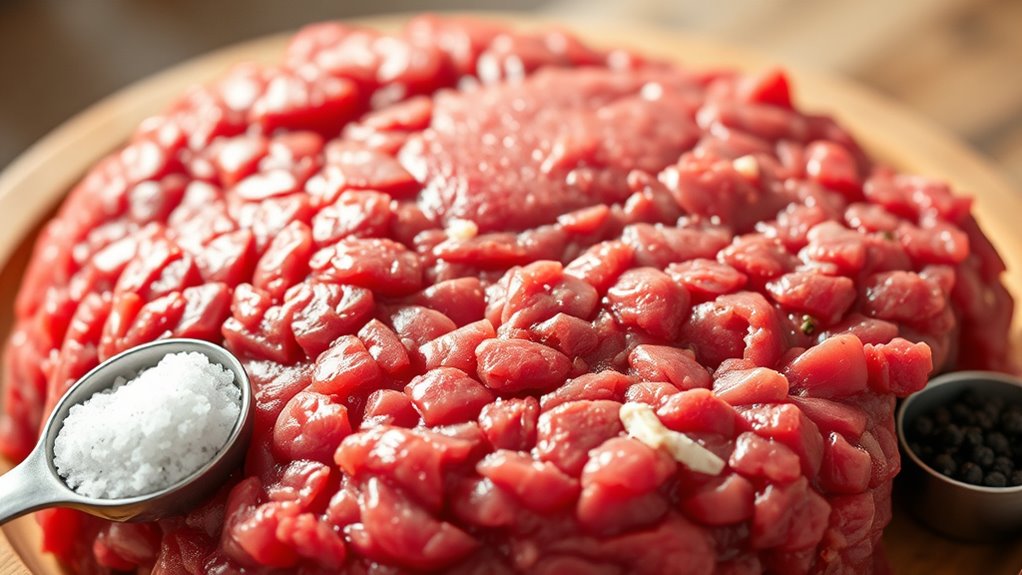
When you check the calorie content of raw 90/10 ground beef, you’ll find it provides about 215 calories per 4-ounce serving.
This means a full pound, which equals 16 ounces, contains roughly 860 calories.
The 90/10 ratio indicates 90% lean meat and 10% fat, which influences the calorie count since fat has more calories per gram than protein.
If you’re tracking your intake, knowing these numbers helps you plan meals more accurately.
Remember, these values apply to the raw state before cooking, so they represent the baseline calorie content.
How Cooking Methods Impact Calorie Count

Since cooking causes fat to melt and juices to evaporate, the calorie content of 90/10 ground beef changes depending on your method.
Cooking melts fat and evaporates juices, altering the calorie content of 90/10 ground beef.
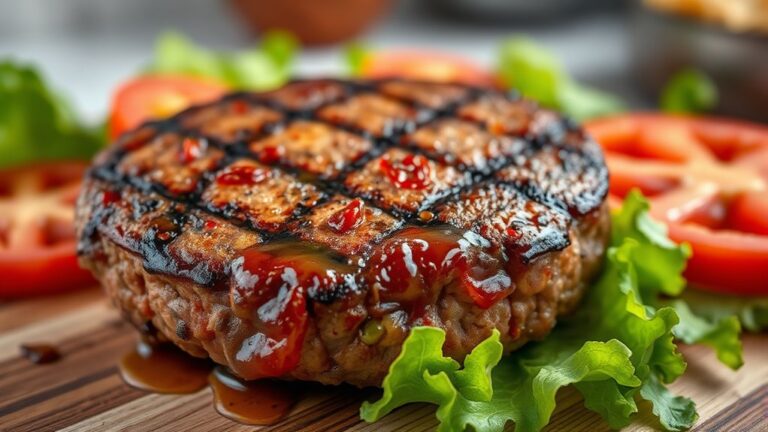
When you grill or broil, excess fat drips away, reducing calories compared to raw beef.
Pan-frying can retain more fat, especially if you don’t drain the rendered grease, increasing the calorie count.
Baking or roasting usually results in moderate fat loss as juices evaporate.
If you simmer or boil the beef, some fat and nutrients leach into the cooking liquid, which you might discard or consume.
To keep calories lower, you can drain off fat after cooking or blot the beef with a paper towel.
Comparing 90/10 Ground Beef to Other Lean Ground Beef Options
If you’re looking to choose the leanest ground beef for your meals, 90/10 ground beef offers a good balance between fat content and flavor.
Compared to 93/7 or 95/5 lean options, 90/10 has slightly more fat, which means more calories but also juicier texture and richer taste.
If you prioritize lower calories and fat, 95/5 is the leanest, but it can be drier and less flavorful.
On the other hand, 85/15 ground beef is higher in fat, making it tastier but with considerably more calories.
When picking your ground beef, consider what matters most—calorie count or flavor.
90/10 is a versatile middle ground, delivering decent leanness without sacrificing too much taste or moisture in your dishes.
Portion Sizes and Calorie Breakdown
Understanding portion sizes is key to managing your calorie intake with 90/10 ground beef. Since this beef contains 10% fat, the calories can add up quickly depending on how much you cook.
To keep track, it helps to measure your portions accurately.
Here’s a quick breakdown to guide you:
| Portion Size (oz) | Calories |
|---|---|
| 2 oz (56g) | 142 |
| 3 oz (85g) | 213 |
| 4 oz (113g) | 284 |
| 6 oz (170g) | 426 |
| 8 oz (227g) | 568 |
Nutritional Benefits Beyond Calories
What makes 90/10 ground beef more than just a calorie source? It’s packed with essential nutrients that support your overall health. When you include it in your meals, you’re getting a solid dose of high-quality protein, which helps build and repair muscles.
You’ll also find important vitamins like B12, which boosts your energy and supports brain function, and iron, vital for carrying oxygen in your blood.
Plus, zinc in 90/10 beef strengthens your immune system.
While it contains some fat, the lean 10% keeps it balanced, providing you with healthy fats that your body needs. So, beyond calories, this ground beef contributes valuable nutrients that can help you stay strong and energized throughout the day.
Tips for Reducing Calories When Cooking Ground Beef
Though ground beef is flavorful and satisfying, you can easily cut calories by making smart choices during cooking. Start by draining excess fat after browning to reduce calorie intake. Using non-stick pans or cooking sprays helps avoid added oils.
Consider mixing ground beef with vegetables or beans to stretch portions and add fiber. Also, avoid high-calorie sauces and opt for herbs and spices instead.
| Tip | Action | Benefit |
|---|---|---|
| Drain fat | Pour off grease after cooking | Cuts added fat calories |
| Use non-stick or spray | Minimize oil use | Reduces extra calories |
| Mix with veggies/beans | Add fillers | Increases volume, less meat |
| Skip heavy sauces | Choose herbs/spices | Lowers sugar and fat |
| Control portion size | Serve smaller amounts | Manages calorie intake |
Incorporating 90/10 Ground Beef Into a Balanced Diet
Managing how you prepare ground beef sets the stage for including 90/10 ground beef in your balanced diet. Since it’s leaner, it packs less fat, making it a smart choice when you want protein without excess calories.
Pair it with plenty of vegetables and whole grains to build meals that nourish and satisfy. You can easily swap fattier ground beef for 90/10 in recipes like tacos, chili, or burgers without sacrificing flavor.
Keep portion sizes in check. Around 3 to 4 ounces per serving helps you control calorie intake. Also, consider seasoning with herbs and spices instead of heavy sauces to keep meals healthy.
Common Misconceptions About Ground Beef Calories
Because ground beef varies in fat content, many people assume all types have the same calorie count, but that’s not true. You can’t just pick any ground beef and expect the calories to match.
Here are three common misconceptions you should know about:
- All ground beef is equally high in calories. Higher fat content means more calories, so leaner options like 90/10 have fewer calories than fattier blends.
- Cooking method doesn’t affect calorie content. When you cook beef, fat can render out, lowering actual calories consumed.
- Calories from fat and protein are the same. Fat packs more calories per gram than protein, so the ratio impacts total calories considerably.
Understanding these points helps you make smarter choices when selecting ground beef.
Tracking Calories in Recipes Using 90/10 Ground Beef
Now that you understand how fat content and cooking methods affect ground beef calories, you can better track the calories in your recipes using 90/10 ground beef.
Start by noting that one raw pound contains about 800 calories.
Remember, cooking reduces weight due to fat and moisture loss, so weigh the cooked beef to get an accurate calorie count. For example, if one pound shrinks to 12 ounces after cooking, calculate calories based on that cooked weight.
Also, factor in other ingredients and cooking oils to avoid underestimating calories. Using a kitchen scale and nutrition calculator or app helps you stay precise.
Frequently Asked Questions
Where Is 90/10 Ground Beef Typically Sourced From?
You’ll typically find 90/10 ground beef sourced from cattle raised on farms across the U.S., often from grass-fed or grain-finished cows. Local farms and large meat processors both supply this popular lean beef option regularly.
How Is the 90/10 Beef Ratio Determined During Processing?
Like a chef blending ingredients, processors trim fat and lean meat to match the 90/10 ratio precisely. You’ll see them weigh and mix until 90% lean meat and 10% fat combine perfectly in each batch.
What Are the Best Storage Practices for 90/10 Ground Beef?
You should store 90/10 ground beef in the coldest part of your fridge at 40°F or below. Use it within 1-2 days, or freeze it tightly wrapped to keep it fresh for up to 3-4 months.
Does 90/10 Ground Beef Freeze Well Without Losing Quality?
Yes, 90/10 ground beef freezes well without losing quality if you wrap it tightly in plastic wrap or freezer paper. Then place it in an airtight container or freezer bag to prevent freezer burn and maintain freshness.
Are There Specific Recipes That Highlight the Flavor of 90/10 Ground Beef?
You’ll love recipes like stuffed peppers, lean burgers, or chili that highlight 90/10 ground beef’s rich flavor. These dishes let the beef’s natural taste shine while keeping meals healthier and satisfying every time.
Conclusion
So, how many calories are in a pound of 90/10 ground beef? Around 960 calories—enough to fuel your day without tipping the scales.
Remember, cooking methods can sway this number, and portion control is your trusty sidekick. Think of 90/10 as your lean ally in the battle for balanced eating.
By making smart choices, you’re not just counting calories—you’re crafting a healthier, tastier you. Ready to savor every bite guilt-free? Keep in mind, knowing the calories in ground beef helps you maintain a balanced diet and meet your nutritional goals.