How Much Ground Beef Should I Eat
How Much Ground Beef Should I Eat? You should eat ground beef in portions that fit your protein needs, health goals, and activity level. A 3-ounce cooked serving provides about 21 grams of protein, helping you meet daily targets—around 46 grams for women and 56 for men.
Choose lean cuts to reduce saturated fat and adjust portions depending on whether you want to build muscle, lose weight, or maintain. Planning balanced meals with veggies and whole grains supports overall health.
Discover how to customize servings for your lifestyle and preferences.
Nutritional Content of Ground Beef
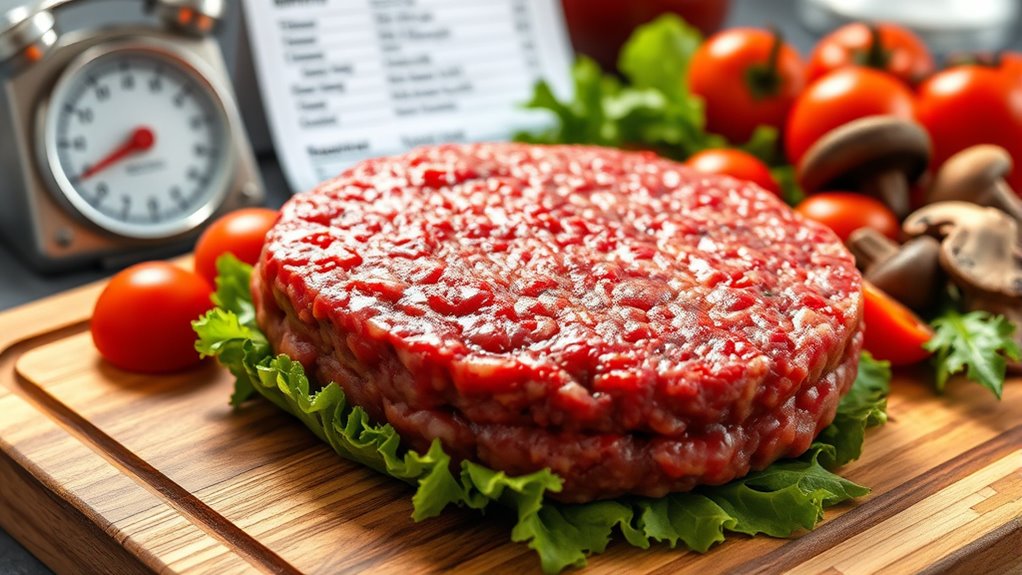
Although ground beef varies by fat content, it generally provides a rich source of protein, essential vitamins, and minerals. When you choose ground beef, you get a good amount of high-quality protein that supports muscle growth and repair.
It’s also packed with important nutrients like iron, which helps transport oxygen in your blood, and zinc, vital for your immune system. You’ll find B vitamins like B12 and niacin that assist energy metabolism and brain function.
The fat content influences calorie levels, so leaner options offer fewer calories but still deliver those key nutrients. By understanding the nutritional content, you can make smarter choices about how much and what type of ground beef fits your diet without compromising essential nutrients.
Recommended Daily Protein Intake
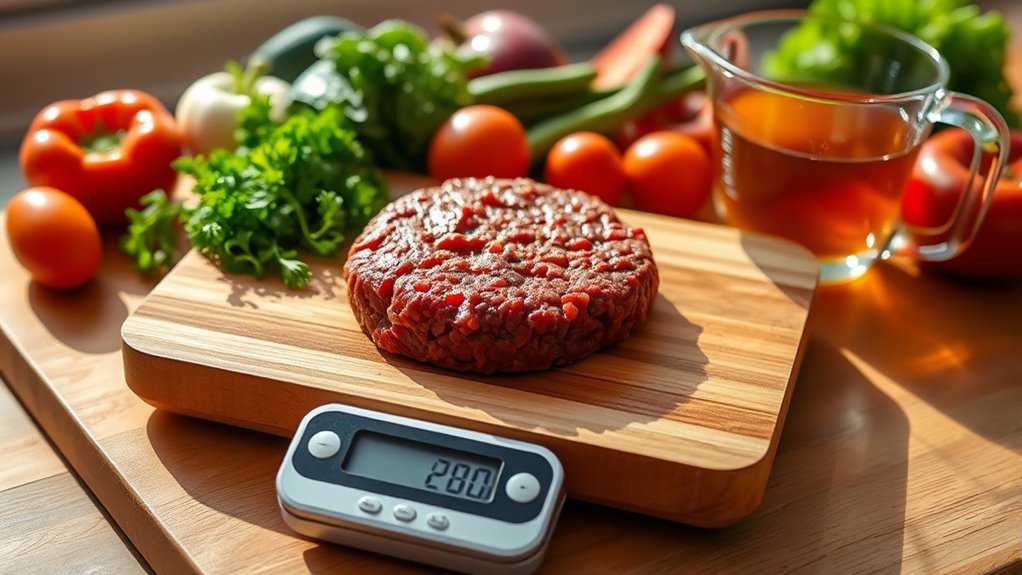
Understanding the nutritional benefits of ground beef helps you see why protein plays a key role in your diet. Your body needs protein to build and repair tissues, support immune function, and maintain muscle mass.
The Recommended Dietary Allowance (RDA) for protein is about 46 grams per day for women and 56 grams for men, though your needs might vary based on activity levels.
Ground beef is a rich protein source, providing roughly 21 grams of protein per 3-ounce cooked serving.
To meet your daily protein intake, incorporating ground beef in moderation can be effective. Just balance it with other protein sources to ensure you get a variety of nutrients.
Keep portion sizes in mind to avoid exceeding your calorie and fat goals.
Factors Influencing Ground Beef Consumption
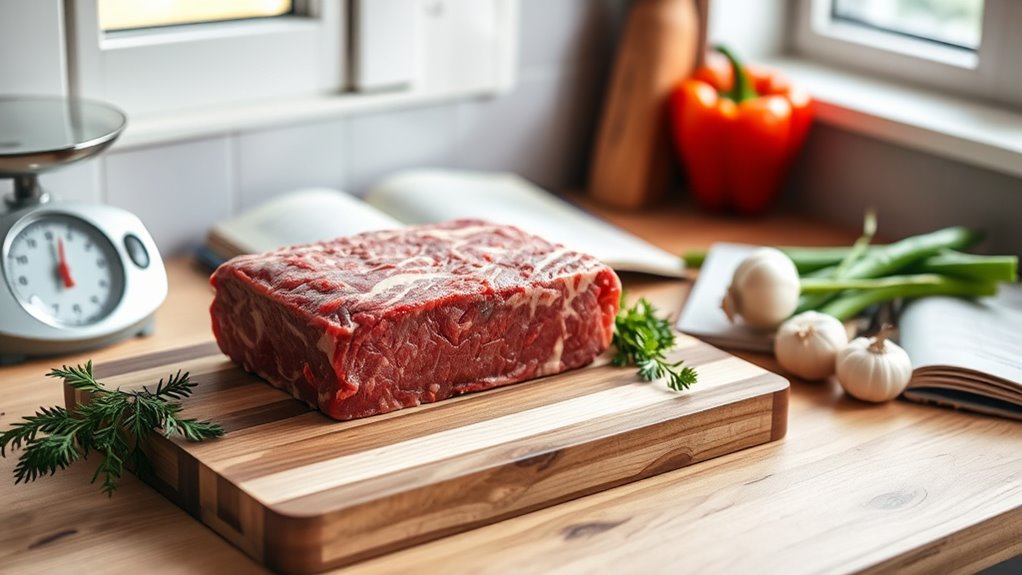
When deciding how much ground beef to eat, you should consider factors like your health goals, dietary restrictions, and activity level. If you’re aiming to build muscle, you might consume more ground beef for its high protein content.
However, if you have cholesterol concerns or heart issues, you’ll want to limit your intake or choose leaner options. Your activity level also plays a role. More active individuals typically require more protein to support recovery and energy.
Additionally, consider any allergies or dietary preferences, such as plant-based diets, which might limit or exclude ground beef altogether. Budget and availability can influence how often you include ground beef in meals.
Ultimately, balancing these factors helps you determine the right amount for your unique needs.
Portion Sizes for Different Dietary Goals
Your dietary goals directly shape how much ground beef you should include in your meals. If you’re aiming to build muscle, you might want to consume larger portions, around 6 to 8 ounces per meal, to meet higher protein needs.
For weight loss, smaller portions, about 3 to 4 ounces, can help control calorie intake while still providing essential nutrients.
If your goal is maintenance, a moderate portion of 4 to 6 ounces usually suffices.
Keep in mind that ground beef’s fat content affects calorie count, so leaner options allow slightly larger servings without excess calories.
Ultimately, adjust portion sizes based on your specific energy requirements and activity level to align with your dietary objectives effectively.
Health Considerations When Eating Ground Beef
Although ground beef is a rich source of protein and essential nutrients, you need to contemplate factors like fat content, cholesterol, and potential contaminants to make healthier choices.
Opt for leaner ground beef varieties, such as 90% lean or higher, to reduce saturated fat intake, which can affect heart health.
Be mindful of cholesterol levels, especially if you have cardiovascular concerns.
Also, ground beef can sometimes harbor bacteria like E. coli or salmonella, so proper cooking to an internal temperature of 160°F (71°C) is vital to guarantee safety.
If you’re pregnant, elderly, or immunocompromised, extra caution is necessary.
Balancing how often and how much ground beef you eat, along with these safety steps, helps you enjoy it without compromising your health.
Tips for Incorporating Ground Beef Into Balanced Meals
Balancing ground beef with other food groups can help you create nutritious, satisfying meals. Start by pairing ground beef with plenty of vegetables, such as peppers, spinach, or tomatoes, to boost fiber and vitamins.
Choose whole grains like brown rice or quinoa to add complex carbs and keep you full longer.
Opt for leaner ground beef cuts or drain excess fat to reduce saturated fat intake. Incorporate legumes such as beans or lentils to increase protein variety and fiber.
Keep portion sizes moderate, around 3 to 4 ounces per serving, to maintain calorie balance.
Experiment with herbs and spices instead of heavy sauces to enhance flavor without extra sodium or sugar.
Frequently Asked Questions
How Should Ground Beef Be Stored Safely at Home?
You should store ground beef in the refrigerator at 40°F or below and use it within 1-2 days.
For longer storage, freeze it in airtight containers or heavy-duty freezer bags to maintain freshness and prevent spoilage.
What Are the Best Cooking Methods for Ground Beef?
Searing ground beef quickly locks in juices, while slow simmering creates rich flavors; you’ll want to pan-fry for crisp texture or simmer in sauces for tenderness.
Don’t forget to drain excess fat for healthier meals!
Can Ground Beef Be Frozen and for How Long?
Yes, you can freeze ground beef. Just wrap it tightly in plastic wrap or use a freezer bag.
It stays good for about 3 to 4 months. Be sure to thaw it safely before cooking!
How to Tell if Ground Beef Has Gone Bad?
You can tell ground beef has gone bad if it smells sour or off, feels slimy, or changes color to gray or brown. Trust your senses. If anything seems unusual, don’t risk eating it.
Are There Ethical Concerns With Eating Ground Beef?
When you hear about rainforest trees falling for cattle, you realize ethical concerns matter. You’re choosing between convenience and environmental impact.
You can reduce harm by eating less ground beef or opting for sustainable sources.
Conclusion
When it comes to ground beef, you don’t need to eat a mountain of it to meet your protein needs. Just the right portion tailored to your goals keeps you fueled without overdoing it.
Remember, balance is key—mix it with veggies and whole grains to keep your meals healthy and satisfying. Listen to your body, consider your health, and enjoy ground beef as a delicious part of a well-rounded diet.
In conclusion, understanding how much ground beef you should eat depends on your individual nutritional needs and lifestyle. Incorporating the right amount of ground beef into your meals can support your health and fitness goals effectively.