7 Facts About How Much Japanese Wagyu Beef Costs Per Pound
You’ll usually pay between $100 and $300 per pound for Japanese Wagyu beef, with price depending on marbling, breed, and origin. Higher marbling means richer flavor and higher cost. Authentic Wagyu from regions like Kobe commands a premium, while special rearing practices also increase prices.
Import rules add to the cost, and you’ll find it at specialty butchers or online. Keep exploring to understand what truly makes Wagyu worth its price.
The Average Price Range of Japanese Wagyu Beef Per Pound
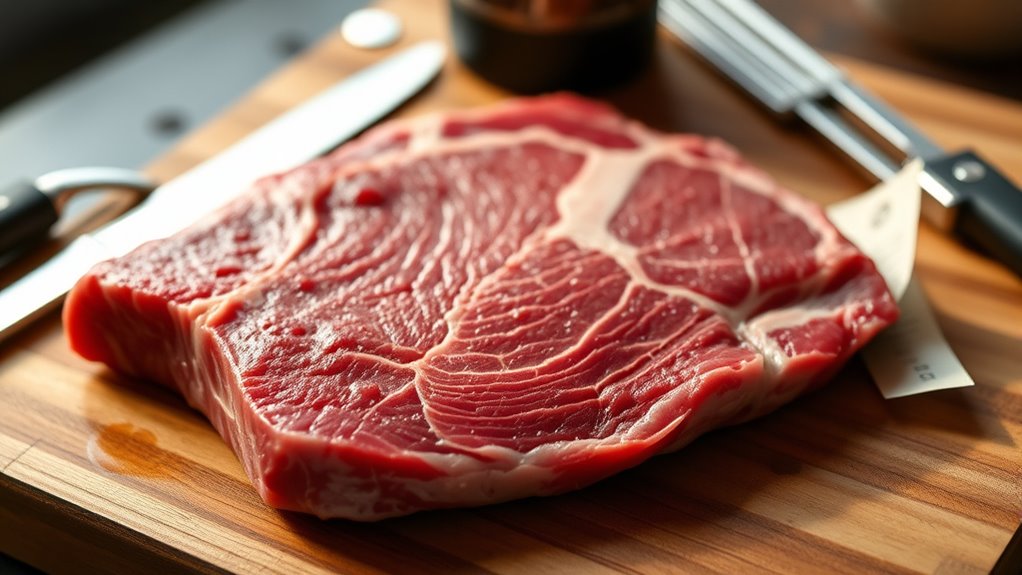
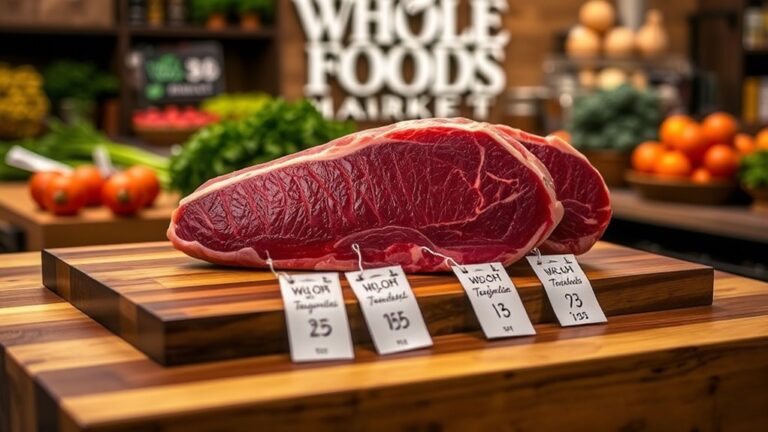
Although prices can vary, Japanese Wagyu beef typically costs between $100 and $300 per pound.
When you shop for Wagyu, you’ll notice that the price depends on factors like the grade, cut, and source.
For example, premium cuts like ribeye or striploin usually command higher prices due to their tenderness and flavor.
You’ll also find that Wagyu imported directly from Japan tends to be more expensive than domestic versions.
Keep in mind that smaller portions or ground Wagyu often come at lower prices per pound.
When budgeting, consider how you plan to cook and serve the beef, as this can influence which cut offers the best value.
Ultimately, the price reflects the unique quality and rarity of Wagyu beef.
How Marbling Quality Affects Wagyu Beef Pricing
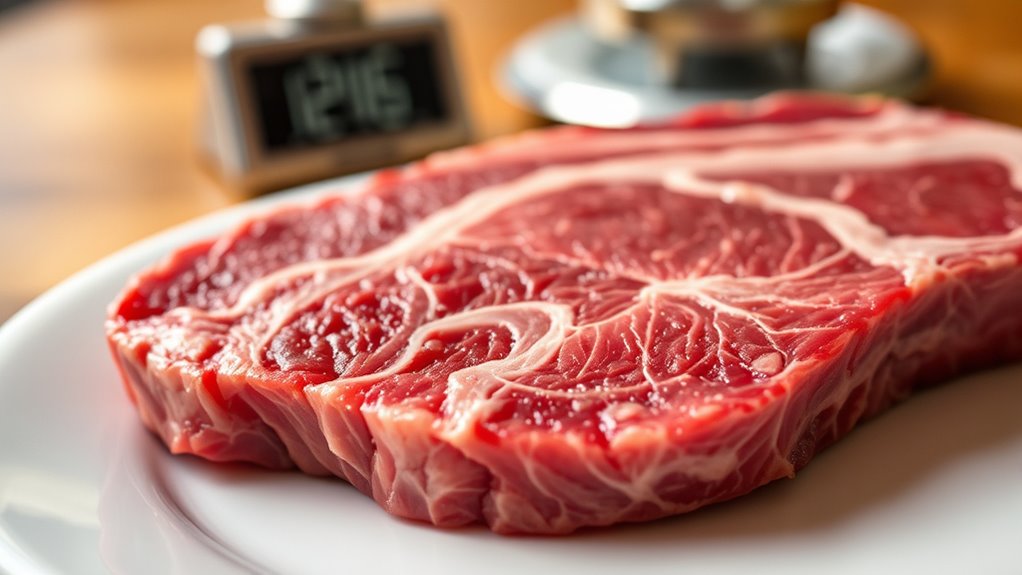
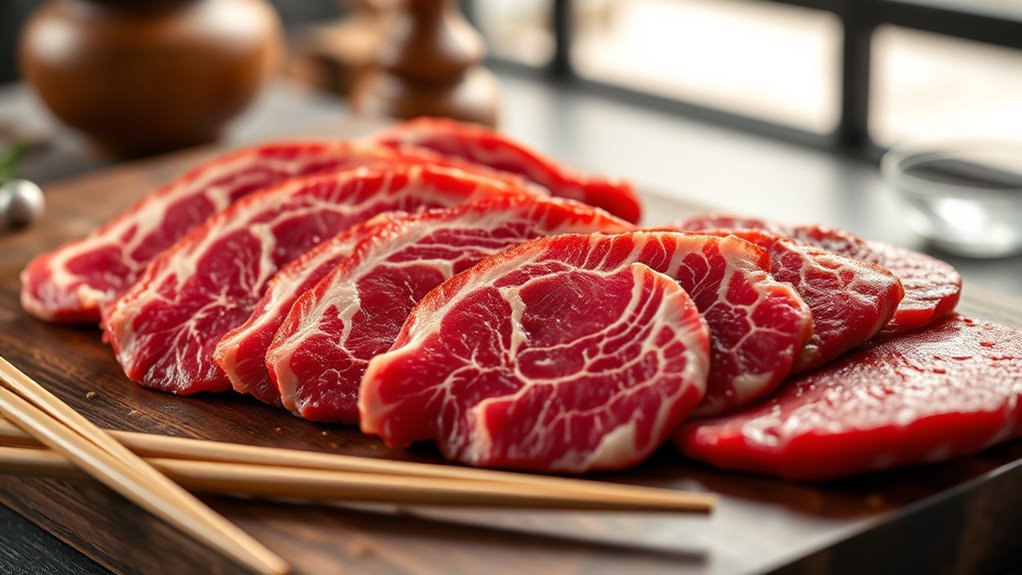
Because marbling directly influences flavor and tenderness, it plays a key role in determining Wagyu beef prices. When you see Wagyu labeled with higher marbling scores, you’re looking at beef with more intramuscular fat, which melts during cooking and creates that buttery texture and rich taste.
This quality isn’t just a luxury; it’s why premium Wagyu commands a higher price per pound. As the marbling grade increases, so does the cost, because you’re paying for a superior eating experience and rare quality.
If you want Wagyu with intense marbling, expect to invest more, but the flavor payoff is worth it. Conversely, Wagyu with lower marbling scores costs less but won’t deliver the same melt-in-your-mouth sensation.
The Impact of Breed and Region on Wagyu Costs
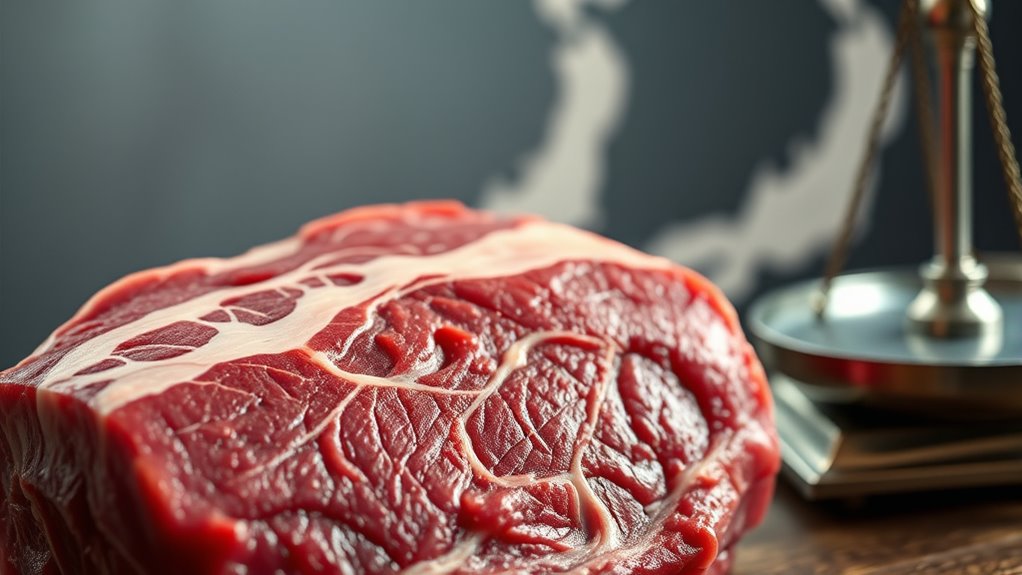
When you choose Wagyu beef, the breed and region where it’s raised play a big role in the price you’ll pay. Genuine Japanese Wagyu comes from specific cattle breeds, like the renowned Tajima strain, which is famous for its superior marbling and tenderness.
Wagyu raised in regions like Kobe or Matsusaka commands higher prices due to their strict quality standards and limited supply. These areas have unique climates and terrains that contribute to the beef’s flavor profile, making it more sought after.
If you go for Wagyu bred outside these famous regions or from crossbred cattle, you’ll generally pay less. So, understanding the breed and regional origin helps you gauge cost and quality, ensuring you get the authentic Wagyu experience worth your investment.
Why Feeding and Rearing Practices Increase Wagyu Prices
Since Wagyu cattle require meticulous feeding and rearing practices, these efforts directly drive up the beef’s price. You’ll find that farmers invest extra time and care to guarantee the cattle receive a specialized diet rich in grains, vitamins, and minerals, promoting the signature marbling Wagyu is famous for.
Additionally, the cattle are often raised in low-stress environments, sometimes with massages or calming music, to improve meat quality. This hands-on approach means you’re paying for more than just the beef; you’re paying for the premium care that enhances tenderness and flavor.
These labor-intensive practices increase production costs, which naturally reflect in the higher price per pound you see when buying authentic Japanese Wagyu.
Comparing Japanese Wagyu to Other Premium Beef Varieties
Although many premium beef varieties offer rich flavor and tenderness, Japanese Wagyu stands apart due to its unparalleled marbling and texture.
Japanese Wagyu distinguishes itself through unmatched marbling and a uniquely tender texture.
When you compare Wagyu to USDA Prime or Angus beef, you’ll notice Wagyu’s fat is evenly distributed, creating a buttery melt-in-your-mouth experience that other breeds can’t match.
While you might enjoy the robust taste of dry-aged beef or the lean profile of grass-fed cuts, Wagyu delivers a unique balance of juiciness and softness.
Keep in mind, this exceptional quality comes with a higher price tag.
The Role of Import and Export Regulations on Wagyu Pricing
Because import and export regulations directly affect supply chains, they play a crucial role in determining the price of Japanese Wagyu beef. When you consider tariffs, quotas, and strict health standards, you’ll see how these rules limit the amount of Wagyu entering global markets.
Japan tightly controls exports to preserve quality and exclusivity, which keeps supply low and prices high.
On the import side, many countries impose stringent inspections and taxes that add to the cost before Wagyu even reaches your local market.
These regulations also affect shipping and storage requirements, further impacting the final price you pay.
Where to Buy Authentic Japanese Wagyu Beef and What to Expect
When you decide to buy authentic Japanese Wagyu beef, you’ll want to seek out reputable sellers who specialize in premium cuts. Look for certified distributors or trusted online retailers that provide detailed information on the beef’s origin, grade, and certification.
Expect prices to reflect the high quality and rarity. Also, be prepared for limited availability due to strict import regulations.
| Source Type | What to Expect |
|---|---|
| Specialty Butchers | Expert advice, top-grade cuts |
| Online Retailers | Convenient, often with certification |
| High-End Restaurants | Premium dishes, tasting experience |
| Direct Importers | Authenticity guaranteed, higher cost |
Choosing the right source guarantees you get genuine Wagyu with guaranteed quality and taste.
Frequently Asked Questions
How Should Japanese Wagyu Beef Be Stored at Home?
You should store Japanese Wagyu beef in the coldest part of your fridge, wrapped tightly in plastic wrap or vacuum-sealed.
For longer storage, freeze it to preserve its quality and flavor until you’re ready to cook.
What Are the Best Cooking Methods for Japanese Wagyu?
You should sear Japanese Wagyu quickly on high heat to develop a crust while keeping it rare inside. Grilling or pan-frying works best.
Avoid overcooking to preserve its rich marbling and tender texture.
How Does Wagyu Beef’s Nutritional Profile Compare to Regular Beef?
You’ll find Wagyu beef has more monounsaturated fats and omega-3s than regular beef, making it richer and potentially healthier.
It’s also higher in calories, so you’ll want to enjoy it in moderation.
Can Japanese Wagyu Beef Be Frozen Without Losing Quality?
You can freeze Japanese Wagyu beef without losing quality if you handle it right. Wrap it tightly and freeze quickly to keep its rich marbling intact. Don’t count your chickens before they hatch when thawing it, though!
What Are Common Misconceptions About Japanese Wagyu Beef?
You might think Wagyu is just expensive for show, but it’s actually about quality and marbling. Also, not all Wagyu is equally tender or flavorful. You should look for authentic grading, not just the label.
Conclusion
So, you’re ready to splurge on Japanese Wagyu beef, huh? Just remember, paying for that buttery marbling is like investing in a tiny, edible work of art—if art could cost as much as a small car. Between breed, region, and strict feeding rituals, you’re not just buying beef; you’re buying a luxury lifestyle on a plate.
But hey, who wouldn’t want their dinner to be more exclusive than their car?
When it comes to how much Japanese Wagyu beef costs per pound, it’s important to understand that this premium price reflects the meticulous care and tradition behind every cut. So, if you’re curious about the luxury and exclusivity that come with each bite, knowing the cost per pound is just the beginning of appreciating this culinary treasure.