10 Easy Steps to Cook Carne Asada in a Pan
Imagine the sizzle of a hot pan as the aroma of seasoned steak fills your kitchen. Cooking carne asada in a pan might seem straightforward, but nailing the perfect sear and flavor takes a bit of know-how. If you want tender, juicy meat with a flavorful crust every time, there are key steps you shouldn’t skip.
Let’s take a closer look at what it really takes to get it right when you cook carne asada in a pan. Following these easy steps ensures your carne asada is cooked to perfection, delivering that authentic taste and texture. Ready to master this delicious dish?
Choosing the Right Cut of Meat for Carne Asada

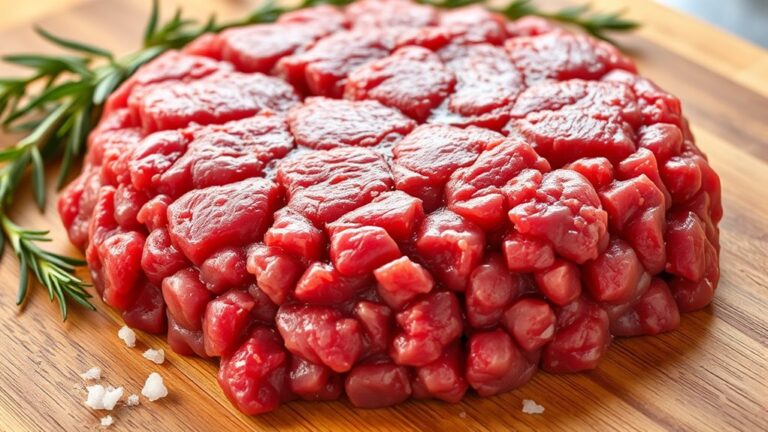
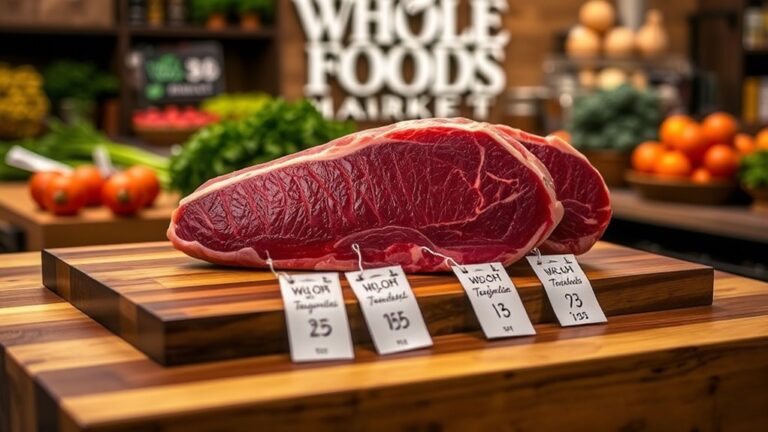
When choosing the right cut of meat for carne asada, you’ll want to focus on flank steak, skirt steak, or flap meat. Each cut is thin, flavorful, and perfect for quick high-heat cooking, which is essential to secure in juices.
Flap meat often stands out because it’s tender, rich in flavor, and more affordable. Skirt steak has a pronounced grain, so you’ll want to slice it against the grain after cooking to keep it tender.
Look for cuts with good marbling and a clear grain pattern to ensure juiciness.
No matter which you pick, marinate the meat beforehand to enhance flavor and tenderness. Choosing the right cut sets the foundation for a delicious carne asada you’ll enjoy every time.
Preparing the Carne Asada Marinade

Although selecting the right cut of meat is essential, preparing a flavorful marinade truly brings your carne asada to life. Start by blending lime juice, soy sauce, garlic, jalapeños, and cilantro to create a vibrant marinade that infuses the steak with zest and spice. Before mixing, gather and measure your ingredients to keep the process smooth.
To enhance flavor depth, consider these tips:
Add orange juice for subtle sweetness and balance.
Incorporate cumin and black pepper for warmth and complexity.
Poke holes in the meat with a fork to help marinade penetrate deeply.
Use a large resealable bag to coat the steak evenly.
This marinade foundation sets the stage for a delicious carne asada experience.
Marinating the Meat Properly

Once you’ve prepared your marinade, it’s time to let the meat soak up all those bold flavors. Start by poking small holes in the carne asada with a fork to help the marinade penetrate deeply.
Place the meat in a resealable bag or large dish, then pour the marinade over it. Make sure the meat is evenly coated by massaging the marinade into every surface or flipping it periodically in the bag.
Seal the bag tightly to lock in the flavor and refrigerate for at least 30 minutes, though 24 hours is ideal for maximum tenderness.
When ready, remove the meat from the fridge about 15 minutes before cooking to bring it to room temperature.
This proper marinating guarantees your carne asada will be juicy and flavorful.
Preheating the Cast Iron Skillet
Before you start cooking, you’ll want to preheat your cast iron skillet over medium-high to high heat for at least five minutes. This step guarantees the pan is hot enough to create that perfect sear on your carne asada.
To check if it’s ready, sprinkle a few drops of water on the skillet. If they sizzle and evaporate instantly, the pan is properly preheated.
Sprinkle water drops on the skillet; instant sizzling means it’s perfectly preheated and ready to cook.
Remember, don’t add oil right away; let the skillet heat thoroughly first to prevent sticking.
Keep these tips in mind when you preheat your cast iron skillet:
- Use medium-high heat for even heat distribution
- Wait until the pan is hot enough before cooking
- Look for an instant sizzle to confirm readiness
- Proper preheating locks in juices and forms a great crust
Cooking the Carne Asada in Batches
When you cook carne asada in batches, you guarantee each piece gets a perfect sear without overcrowding the pan. Start by heating your cast iron skillet over high heat.
Place a few steak pieces in the pan, ensuring they’ve enough space to sear properly. Avoid stirring immediately; let the meat develop a crust by searing for 2-3 minutes. This batching cooking method locks in flavor and texture.
After the initial sear, flip or stir the pieces to cook evenly for another 1-2 minutes. Repeat this process until all the carne asada is cooked, maintaining high heat throughout.
Proper batching and searing in a hot cast iron skillet is key to achieving tender, flavorful meat every time.
Achieving the Perfect Char on the Meat
To achieve the perfect char on your carne asada, you’ll want to use a preheated cast iron skillet set to high heat, allowing the steak to develop a rich, caramelized crust. This intense heat helps create an authentic sear and deep char that locks in flavor.
Avoid overcrowding the pan, as it reduces direct contact and inhibits caramelization. Let the meat sit undisturbed to form a crust before flipping.
Use a cast iron skillet for even heat distribution and superior searing.
Cook steak 2-3 minutes per side without moving to build a flavorful crust.
Press gently with a spatula or tongs to ensure full contact for char.
Cook in batches to prevent overcrowding and maintain high heat. This method guarantees a beautifully seared carne asada with perfect char.
Timing and Temperature for Optimal Doneness
Although cooking times can vary, maintaining a pan temperature between 400°F and 450°F guarantees your carne asada sears properly while reaching the ideal internal doneness.
Use a meat thermometer to check the internal temperature: 135°F for medium-rare and 145°F for medium doneness. For thin cuts, 4-6 minutes per side usually works well. Adjust the time for thickness, but beware overcooking, which dries out the steak.
Pan searing at the right cooking temperature locks in juices and flavor.
| Steak Doneness | Internal Temperature | Cooking Time (per side) | Feeling | Result |
|---|---|---|---|---|
| Rare | 125°F | 3-4 minutes | Tender, juicy | Lightly cooked |
| Medium-rare | 135°F | 4-6 minutes | Juicy, flavorful | Optimal for steak |
| Medium | 145°F | 5-7 minutes | Slightly firm | Balanced texture |
| Medium-well | 150°F | 6-8 minutes | Firm, less juicy | Less tender |
| Well-done | 160°F+ | 8+ minutes | Dry, firm | Overcooked |
Resting the Meat Before Slicing
After achieving the perfect sear and internal temperature, letting your carne asada rest before slicing makes all the difference. Resting allows the juices to redistribute throughout the meat, enhancing juice retention and overall tenderness.
If you slice immediately, those flavorful juices escape, leaving your steak dry and less enjoyable. During resting, the internal temperature stabilizes, ensuring even cooking and preserving moisture.
Plus, the meat firms up slightly, making slicing much easier without tearing.
Keep these benefits in mind when resting your carne asada:
- Rest for at least 10 minutes to maximize juice retention
- Allow internal temperature to even out for consistent doneness
- Preserve moisture to maintain tenderness
- Firm meat texture aids in clean slicing and presentation
Slicing Carne Asada Against the Grain
Slicing your carne asada against the grain is key to revealing its tenderness and flavor. After letting your resting steak sit for about 10 minutes, grab a sharp knife to make clean, precise cuts.
Look closely at the muscle fibers running through the carne asada and slice against the grain. That means cutting perpendicular to those fibers at a 90-degree angle. Doing this shortens the muscle fibers, turning the cooked meat into a tender steak that’s easier to chew and more enjoyable.
Avoid slicing parallel to the fibers, which can make your carne asada tough and chewy.

Serving Suggestions for Carne Asada
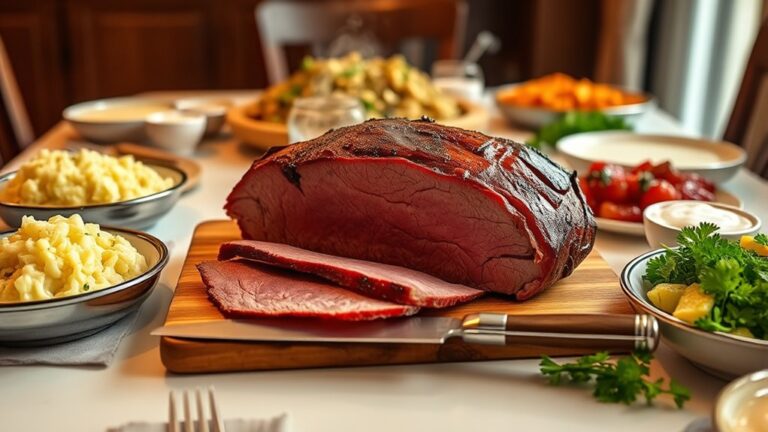
When you serve carne asada, slicing it across the grain guarantees each bite stays tender and flavorful. You can enjoy it as a main dish with sides or get creative with tacos and other meals. Fresh garnishes like chopped cilantro, diced onions, lime wedges, and salsa add a bright, zesty kick.
Slice carne asada across the grain for tender bites, perfect with sides or vibrant garnishes like cilantro and lime.
Here are some serving suggestions to elevate your carne asada experience:
- Use it as a filling for tacos, burritos, or tortas with your favorite toppings.
- For a low-carb option, serve on a bed of greens or wrap in lettuce.
- Pair with traditional sides like grilled vegetables, guacamole, or pico de gallo.
- Store leftovers in an airtight container for up to 3 days and reheat when ready.
These ideas help you enjoy every bit of your carne asada deliciously.
Frequently Asked Questions
How Do You Cook Carne Asada in a Skillet?
You heat a skillet until very hot, add oil, then cook the marinated carne asada without crowding it. Sear each side for 3-4 minutes, rest it, and slice against the grain for tenderness.
What Is the Proper Way to Cook Carne Asada?
You’ll want to sear the meat in a hot pan, cook it about 4-8 minutes per side, avoid flipping too often, and rest it before slicing against the grain to keep it tender and juicy.
Can You Cook Carne Asada Without a Grill?
Yes, you can cook carne asada without a grill. Just use a hot cast iron skillet, sear the marinated steak quickly, avoid overcrowding, and rest before slicing to get delicious, tender results similar to grilling.
Can You Fry Carne Asada?
Yes, you can fry carne asada. Just heat a pan on high, add oil, and cook thin steak slices quickly.
Rest the meat before slicing against the grain for tender, flavorful results.
Conclusion
Now that you know how to cook carne asada perfectly in a pan, you’re ready to impress with tender, flavorful steak every time. Did you know that marinating meat for at least 30 minutes can increase tenderness by up to 20%? That simple step really makes a difference!
So, fire up your cast iron skillet, follow these easy steps, and enjoy a delicious meal that’s bursting with authentic flavor. Mastering how to cook carne asada in a pan ensures you get juicy, well-seasoned steak without the grill.
Happy cooking and enjoy your carne asada with all the rich, mouthwatering taste you crave!