How to Make Ground Beef Burgers Stick Together
To make ground beef burgers stick together, start by choosing meat with 15-20% fat for the best texture and flavor. This fat content helps the patties hold their shape while cooking. Keep the meat cold before shaping to prevent stickiness and mushiness.
Handle it gently, shaping patties quickly without pressing too hard. Adding a small amount of binding agents like eggs or breadcrumbs can also help hold the meat together. Be cautious with moist ingredients, squeezing out any excess water.
Master these basics, and you’ll easily create juicy, cohesive burgers. There’s more to perfecting the process, but these tips will get you started on making great ground beef burgers that stick together well.
Choose the Right Ground Beef Fat Content
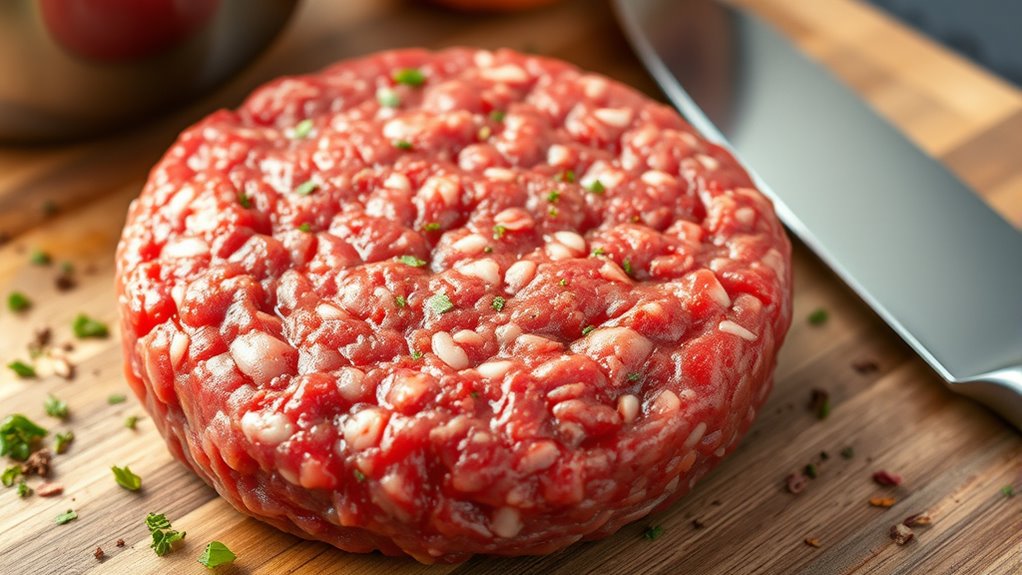
Choosing the right fat content in ground beef is essential for making burgers that hold together and stay juicy. You’ll want to pick ground beef with about 15-20% fat. This balance gives your burger enough fat to bind the meat and keep it moist during cooking without causing it to fall apart.
Too lean, like 90% lean or higher, and your patties might dry out and crumble. On the other hand, beef with too much fat, like 70% lean, can be greasy and shrink excessively.
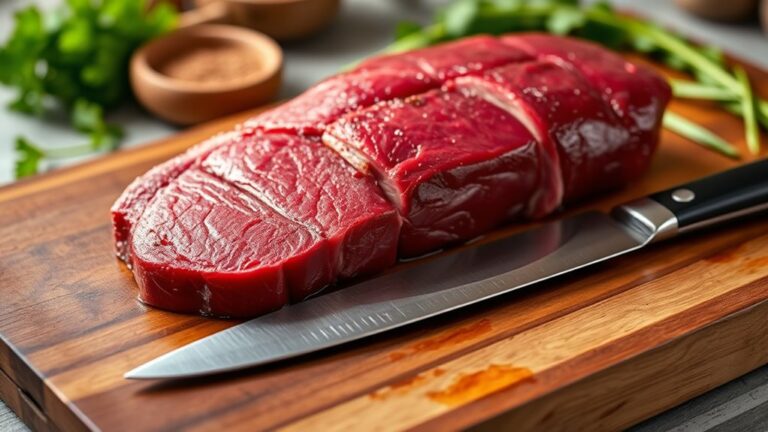
When you shop, look for ground chuck or a blend with enough fat for flavor and structure. This choice sets you up for success before you even start shaping your patties.
Keep the Meat Cold Before Handling
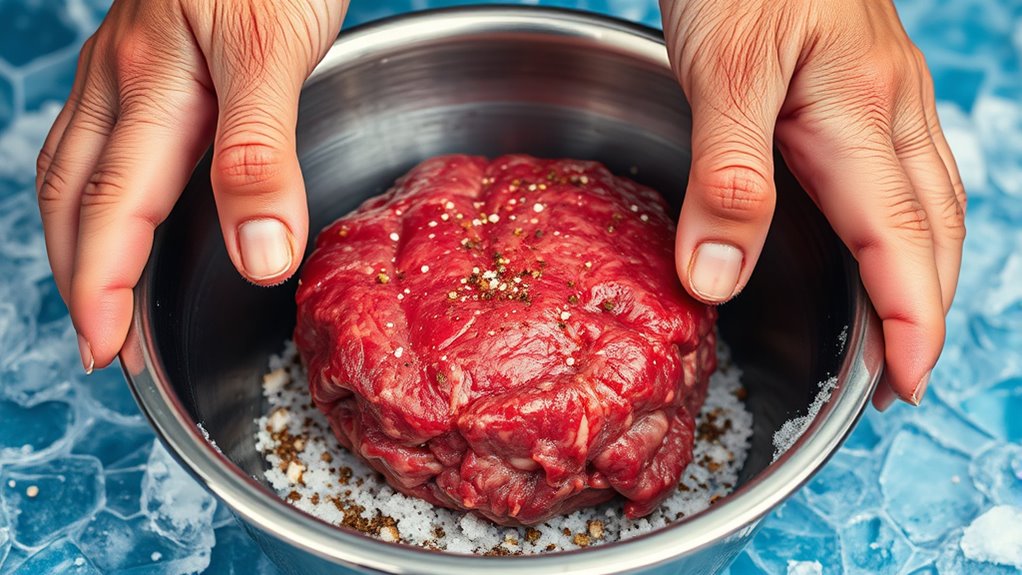
A key step to making burgers that hold together is keeping the meat cold before you handle it. Cold beef stays firmer, which helps the fat and protein bind better when you shape the patties.
Keeping your meat cold helps it firm up and bind better for perfect burger patties.
If the meat warms up too much, it becomes sticky and mushy, making it harder to form cohesive burgers that don’t fall apart during cooking.
To keep your ground beef cold and ready:
Chill the meat in the fridge until just before shaping.
Use a cold bowl and utensils to minimize warming.
If the meat starts to soften, pop it back in the fridge for a few minutes.
Use Minimal Handling When Forming Patties

Even though it might be tempting to overwork the meat to make it stick, handling your ground beef as little as possible helps keep the patties tender and prevents them from becoming tough.
When forming your patties, gently shape the meat with your hands just enough to hold together.
Avoid squeezing or pressing too firmly, as this compresses the meat and breaks down its texture. Use a light touch and try to form uniform patties quickly to minimize the meat warming up.
If you’re making several burgers, consider portioning the meat first, then gently shaping each patty one at a time.
Add a Binding Agent to the Meat Mixture
Although ground beef can hold together on its own, adding a binding agent helps prevent your patties from falling apart during cooking. Binding agents create a sticky texture that keeps the meat fibers connected, especially when grilling or pan-frying.
You don’t need much, just enough to improve cohesion without altering the flavor or texture too much. Some popular binding agents you can mix into your meat include:
- Eggs: A classic choice that adds moisture and helps hold everything together.
- Breadcrumbs: Absorb juices and provide structure, preventing crumbling.
- Oats: A great alternative for a healthier binder that also adds a subtle texture.
Incorporate Moist Ingredients Carefully
When you add moist ingredients to your ground beef, you need to balance them carefully to avoid soggy or loose patties. Ingredients like onions, sauces, or grated vegetables add flavor and juiciness but can also introduce excess moisture.
To keep your burgers firm, squeeze out any extra liquid from these ingredients before mixing them in. For example, wrap grated zucchini or onions in a clean towel and press to remove water.
Mix moist components gently and in small amounts. Too much can break down the meat’s structure and prevent it from binding properly.
Season the Meat Properly Without Overmixing
While seasoning the meat is essential for flavorful burgers, you need to be careful not to overmix the ground beef. Overmixing breaks down the meat’s texture, making patties dense and less likely to hold together.
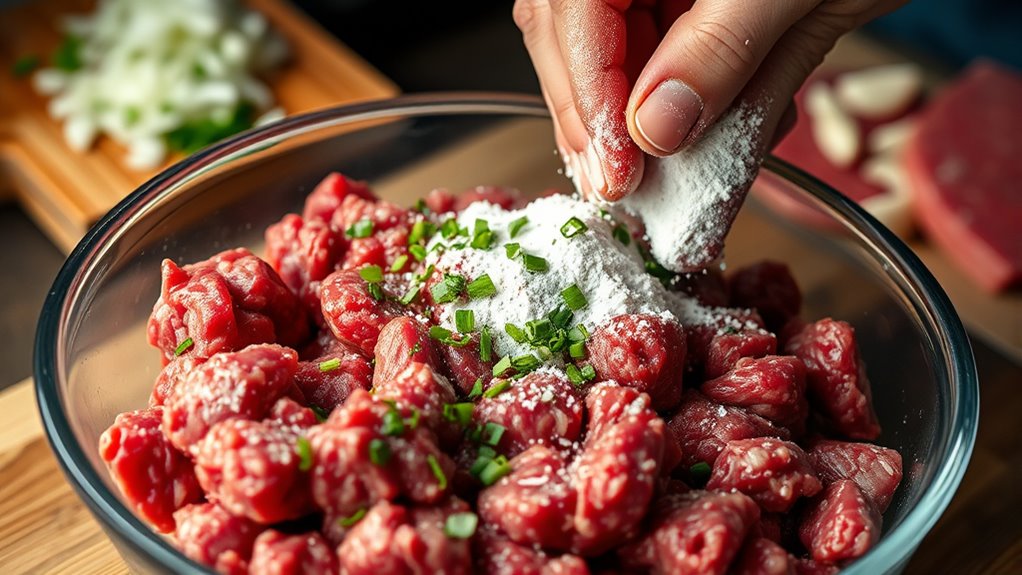
Instead, sprinkle your salt, pepper, and any other spices evenly over the meat and gently fold them in with your hands or a spoon. Keep mixing to a minimum, just enough to distribute the seasoning.
Sprinkle spices evenly and gently fold into the meat, mixing just enough to distribute seasoning.
To season properly without overmixing:
- Add salt last to avoid drawing out too much moisture early on.
- Use coarse spices to maintain texture and flavor pockets.
- Mix gently, folding the meat rather than kneading it.
This approach ensures tasty, tender burgers that stick together perfectly.
Shape Patties With Consistent Thickness
To make certain your ground beef burgers cook evenly and hold their shape, you need to shape patties with consistent thickness. When each patty is uniform, it cooks at the same rate, preventing some parts from drying out while others remain raw.
Use your hands or a burger press to form patties that are about ¾ inch thick. Avoid pressing too hard, which can compact the meat and make burgers tough. Instead, gently shape the meat, making sure the edges aren’t thinner than the center.
Consistent thickness also helps the patties stick together better since the meat binds uniformly. Taking the time to shape your patties carefully ensures juicy, evenly cooked burgers every time.
Create an Indentation in the Center of Each Patty
Shaping your patties evenly sets a solid foundation, but creating a small indentation in the center of each patty helps them hold together even better during cooking. This simple step prevents the burger from puffing up and becoming uneven, ensuring a uniform cook and better texture.
When you press a shallow dip in the middle, it counteracts the natural tendency of the meat to contract and bulge as it heats.
Here’s why this works well:
- The indentation allows the patty to expand outward rather than upward.
- It reduces uneven thickness, promoting consistent doneness.
- It helps the juices redistribute evenly, preventing dry spots.
Chill Patties Before Cooking
Because chilling your patties firms up the meat, you’ll find they hold together much better during cooking.
After shaping your ground beef into patties, place them on a plate or tray lined with parchment paper.
Cover them loosely with plastic wrap and pop them into the fridge for at least 30 minutes.
This step cools the fat and proteins, making the patties more compact and less likely to fall apart when you handle or cook them.
Avoid skipping this vital rest, especially if your meat is soft or loosely packed.
When you take them out, you’ll notice they’re easier to flip without crumbling.
Chilling also helps maintain the burger’s shape and juiciness, so your final result is both sturdy and delicious.
Cook Burgers on a Preheated Grill or Pan
When you cook burgers on a properly preheated grill or pan, they develop a flavorful crust that helps seal in juices and keeps the patties intact. Start by heating your grill or pan to medium-high heat before adding the patties. This ensures immediate searing, which locks the shape and moisture inside.
Avoid pressing down on the burgers while cooking, as this squeezes out juices and weakens the patty’s structure. Cook each side for about 3-4 minutes without moving the patties to form a solid crust.
- Use a cast-iron skillet or grill for even heat distribution.
- Flip burgers only once to maintain integrity.
- Let patties rest a few minutes off heat to redistribute juices.
This method guarantees juicy, well-bound burgers every time.
Frequently Asked Questions
Can I Use Ground Turkey Instead of Ground Beef for Burgers?
Yes, you can use ground turkey for burgers. Just remember, turkey is leaner, so add a bit of fat or moisture like olive oil or egg to help the patties hold together and stay juicy while cooking.
How Do I Store Leftover Burger Patties Safely?
You should cool leftover burger patties quickly, then store them in an airtight container or wrap tightly with foil or plastic wrap. Refrigerate for up to 3-4 days or freeze for longer storage to keep them safe.
What Are the Best Toppings for Homemade Ground Beef Burgers?
You know, “variety is the spice of life.” For your homemade burgers, try classic toppings like cheddar, lettuce, tomato, and pickles, then add caramelized onions, avocado, or spicy mayo to elevate your flavor game.
How Long Should I Cook Burgers to Ensure They’Re Safe to Eat?
You should cook your burgers for about 3-4 minutes per side on medium-high heat. Use a meat thermometer to check they reach an internal temperature of 160°F to guarantee they’re safe to eat.
Can I Freeze Formed Burger Patties Before Cooking?
Absolutely, you can freeze formed burger patties before cooking. Think of them as little flavor time capsules.
You’ll want to wrap them tightly in plastic wrap or foil to keep that juiciness locked in until you’re ready to sizzle.
Conclusion
Now that you know how to make your ground beef burgers stick together, you’re ready to toss on your favorite tunes—maybe even a little vinyl crackle—and get grilling. Remember to keep things cool, handle the meat gently, and don’t forget that secret binding agent.
With these tips, your patties will hold up like a knight’s armor in battle. So fire up that grill and enjoy juicy, perfectly formed burgers every time!
Mastering how to make ground beef burgers stick together ensures your homemade burgers are delicious and satisfying. Keep these techniques in mind for the best burger experience!